As an Amazon Associate I earn from qualifying purchases.
The home coffee guide for the kitchen you actually have
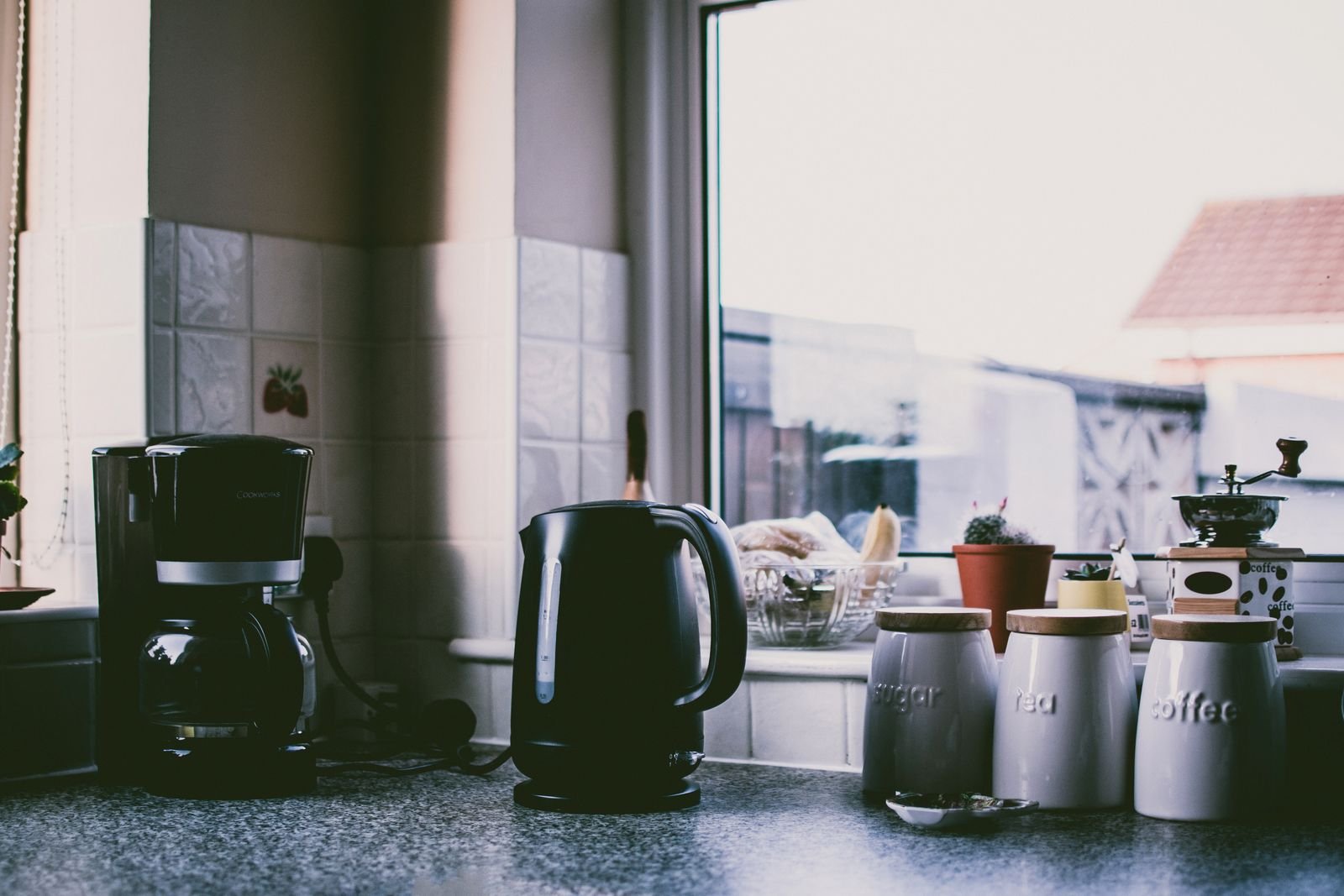
Most coffee gear reviews are written by people who taste. This one starts earlier, with the question that actually stops the purchase: does it fit? A machine that brews beautifully and stands 15.8 inches tall is useless under a cabinet that leaves you 15.5 inches. Every guide here leads with height, footprint and the numbers the manufacturer publishes, and only then argues about the coffee.
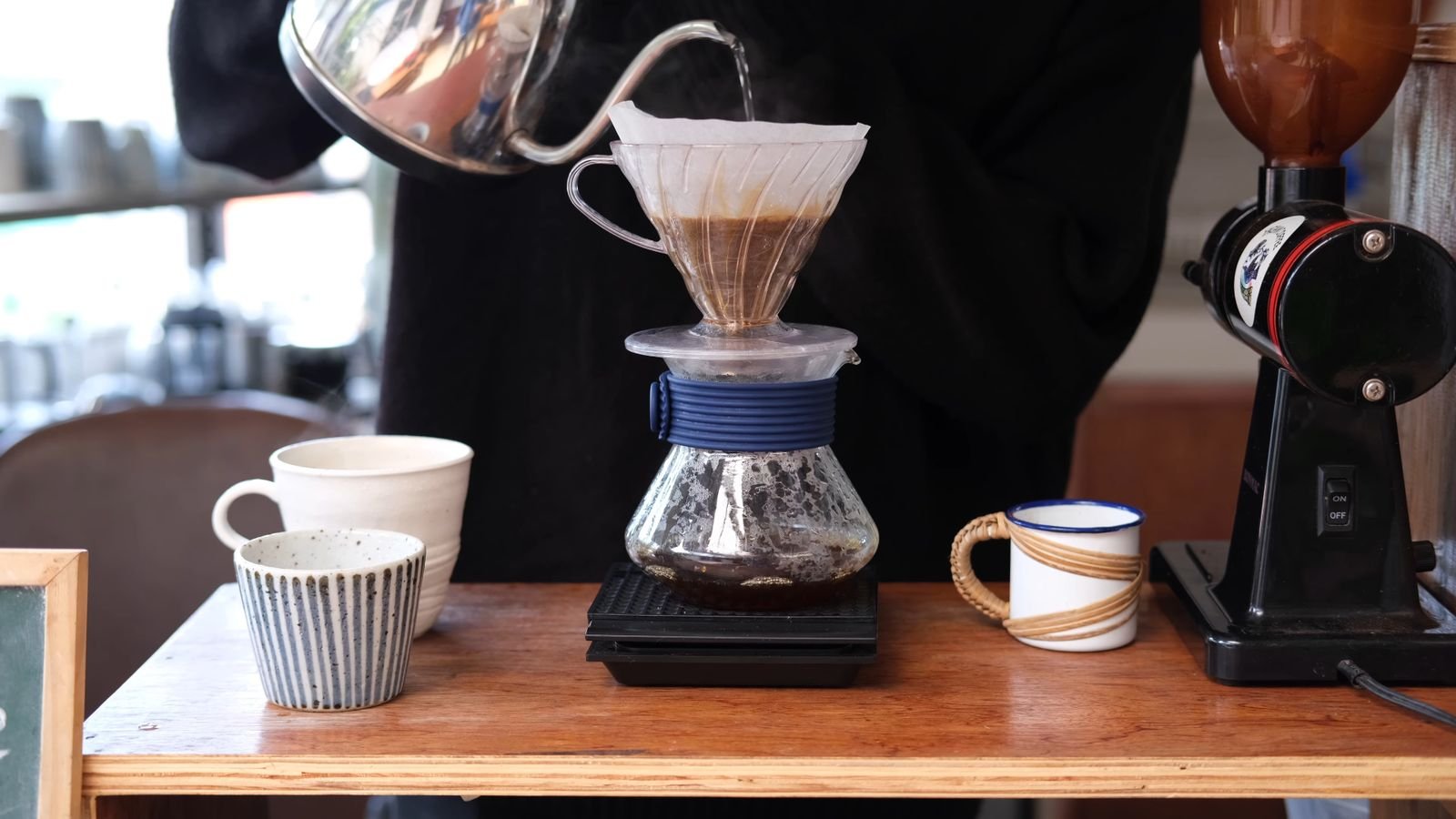
If you want the short version: the pour-over guide is the flagship, because a gooseneck kettle is the single upgrade that changes the most cups for the least money. If your counter is the problem, start with the small-kitchen drip guide.
We do not print prices, quote star scores, or claim to have run a lab. We read the spec sheets, we link every one of them, and we name what we rejected.
The guides
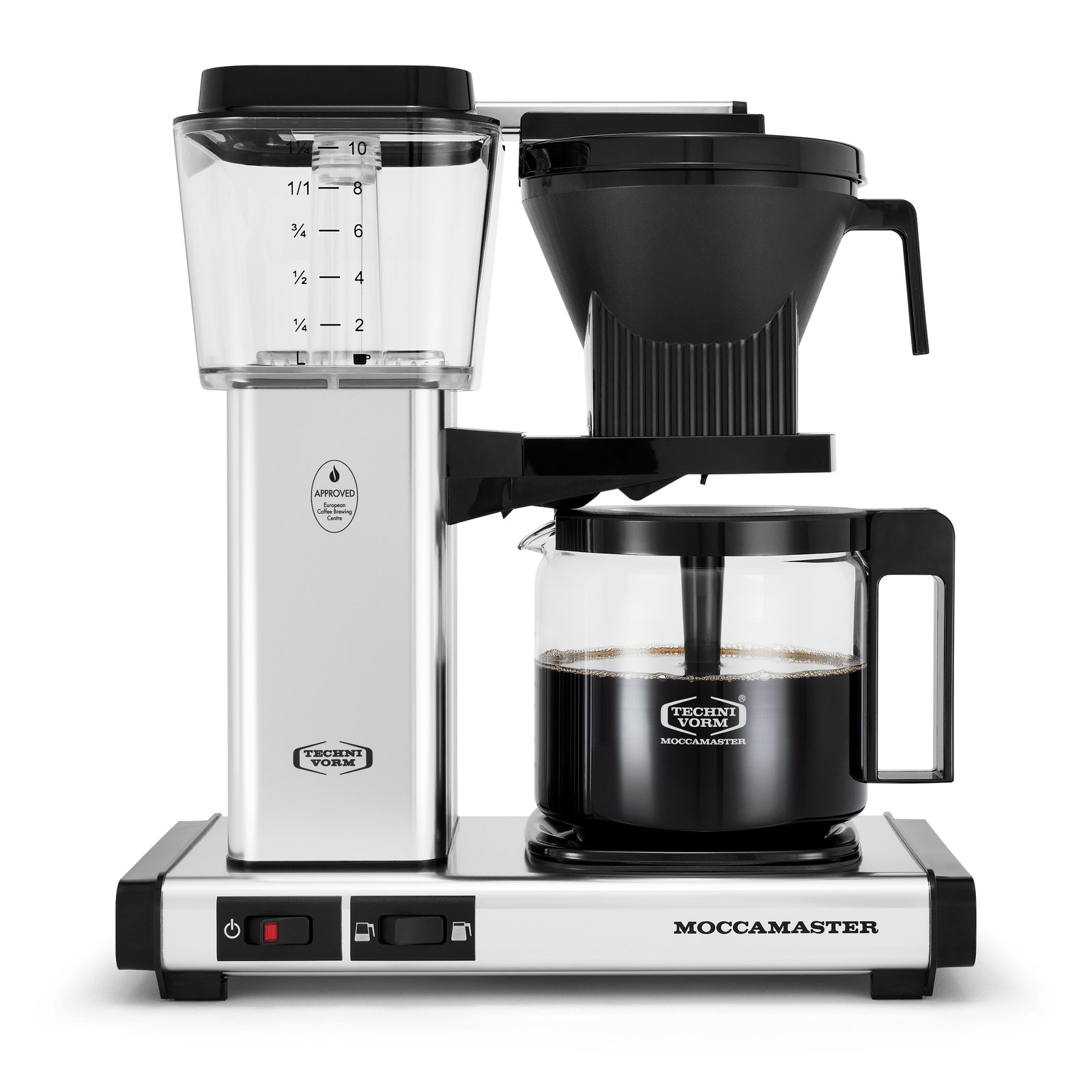 DripThe best drip coffee makers for small kitchensSeven machines ranked by height under a cabinet first, coffee second. Three are under 11 inches.Read the guide
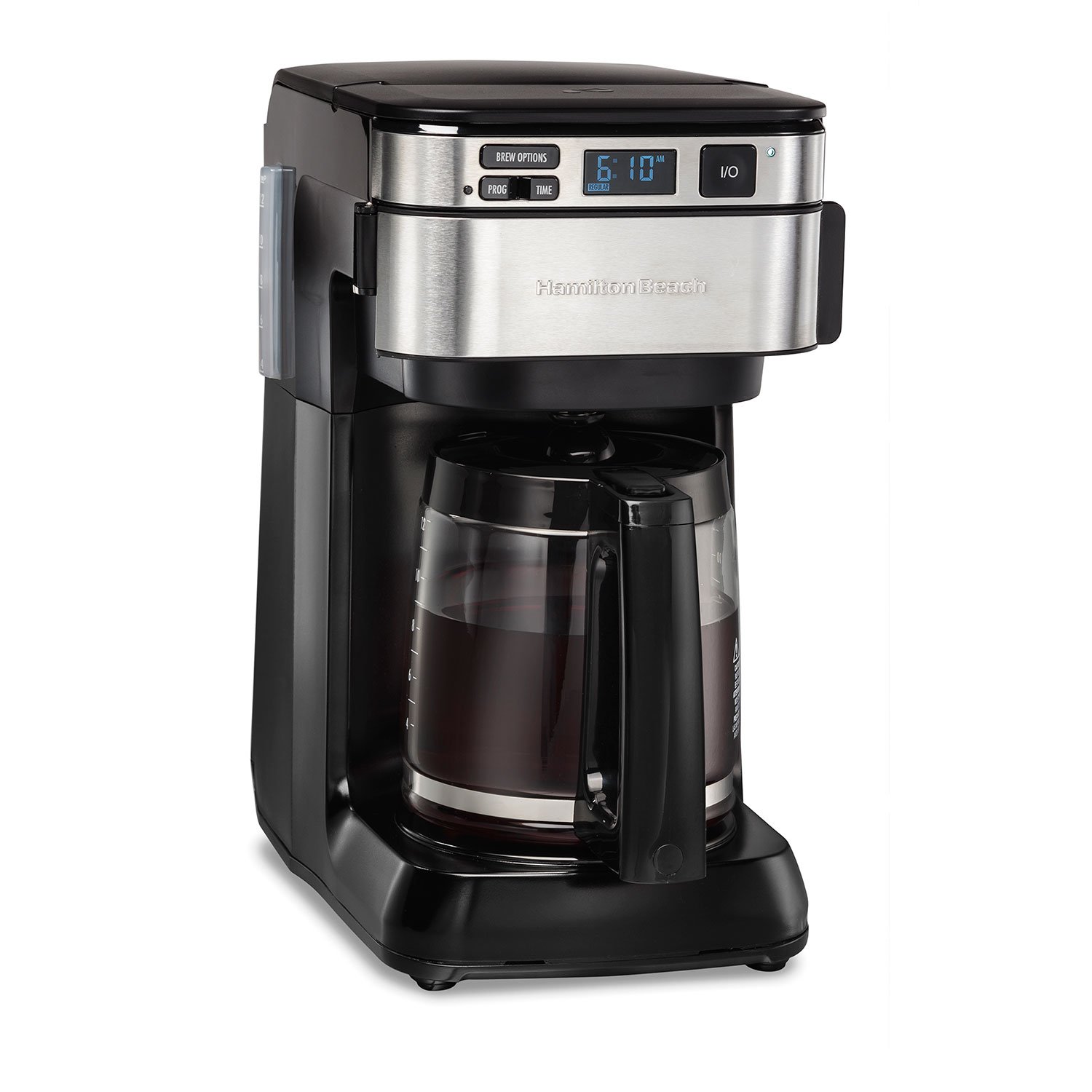 First apartmentThe best coffee makers for a first apartmentFive ways to make coffee in a rented kitchen, from a 12-cup that fills from the front to a press that lives in a drawer.Read the guide
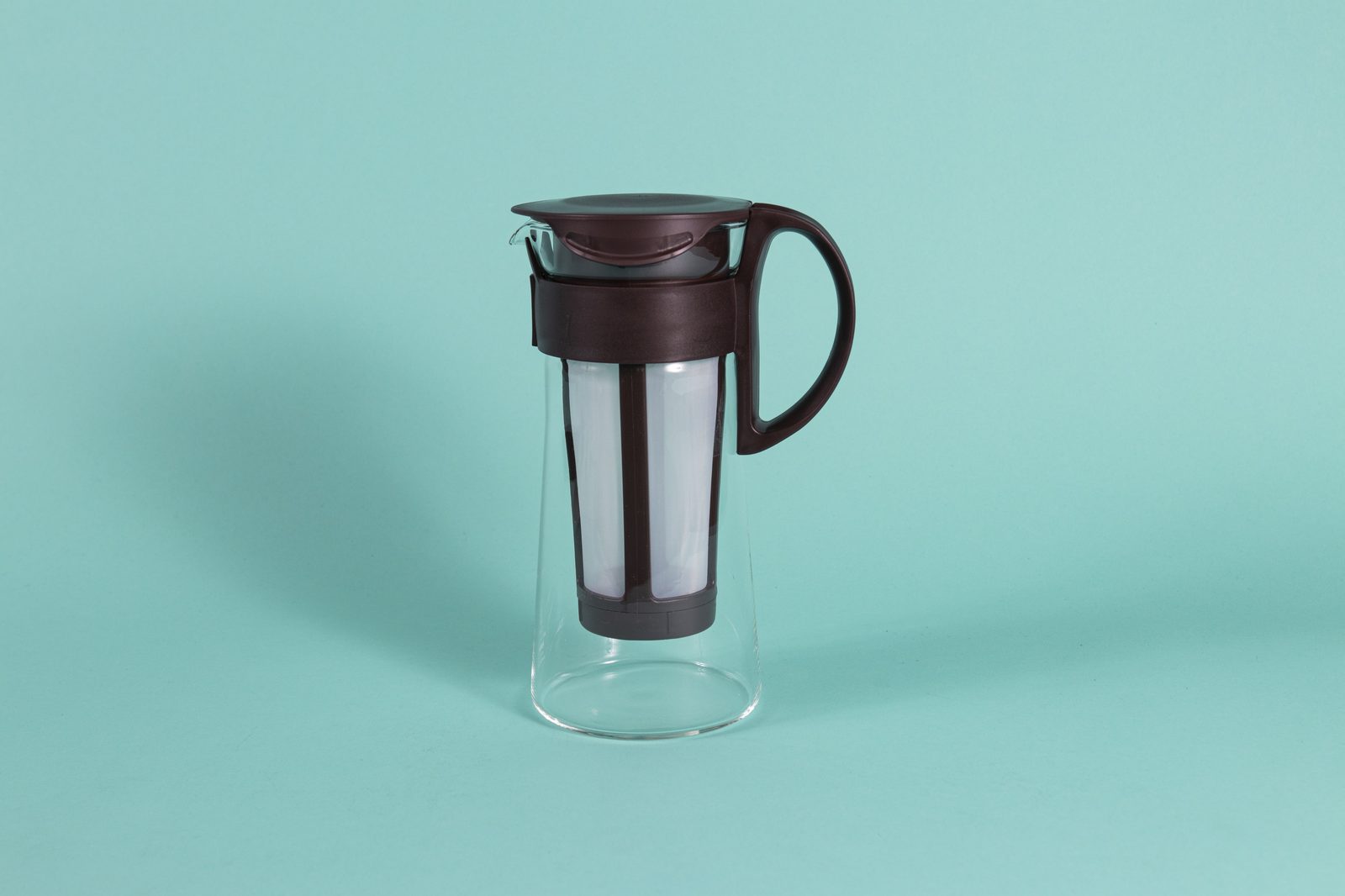 Cold brewThe best cold brew coffee makers for a small fridgeRanked on the number nobody publishes — how much shelf they take. One brand prints all three dimensions.Read the guide
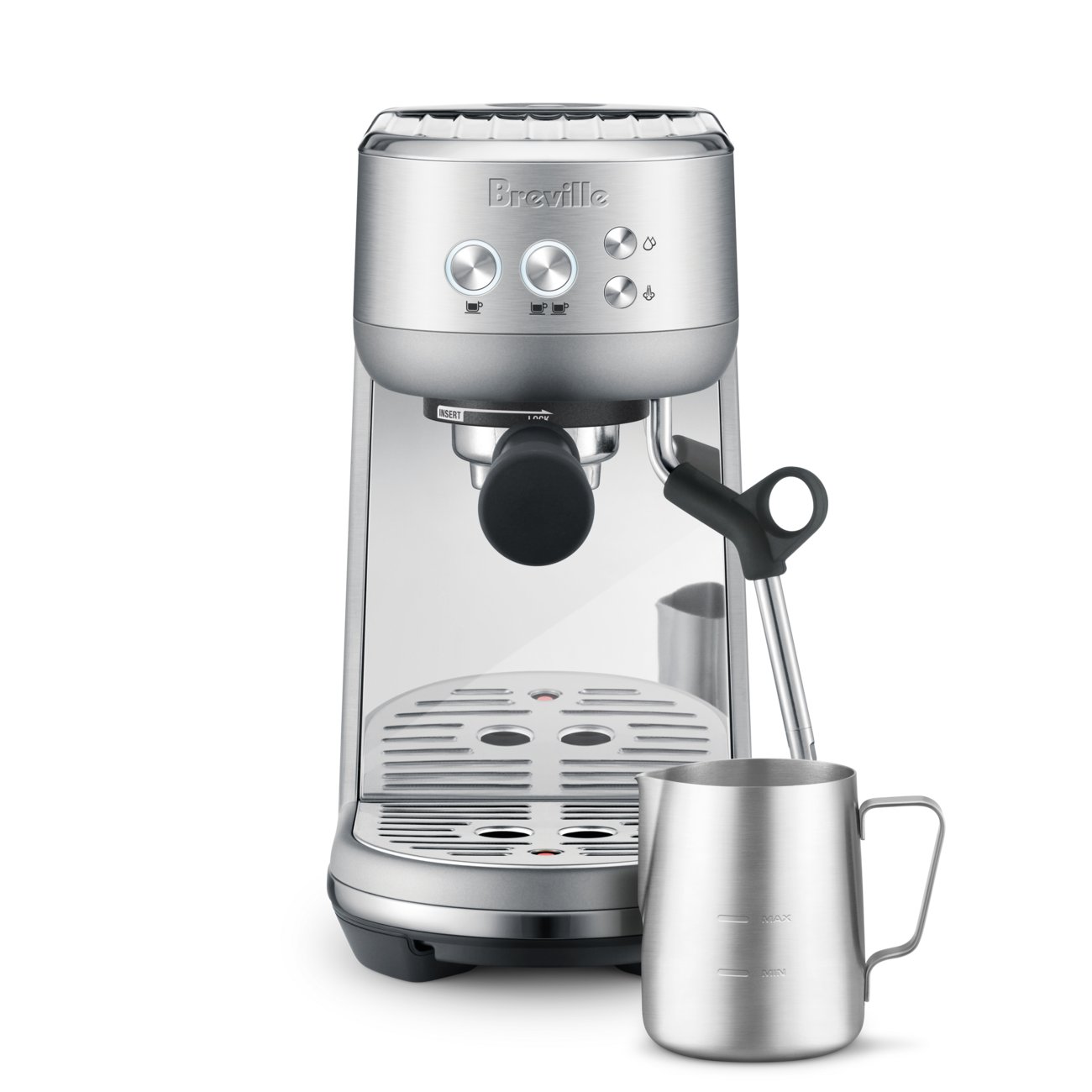 EspressoThe best beginner espresso machinesWhat to buy first if you have never pulled a shot, ranked on published heat-up time.Read the guide
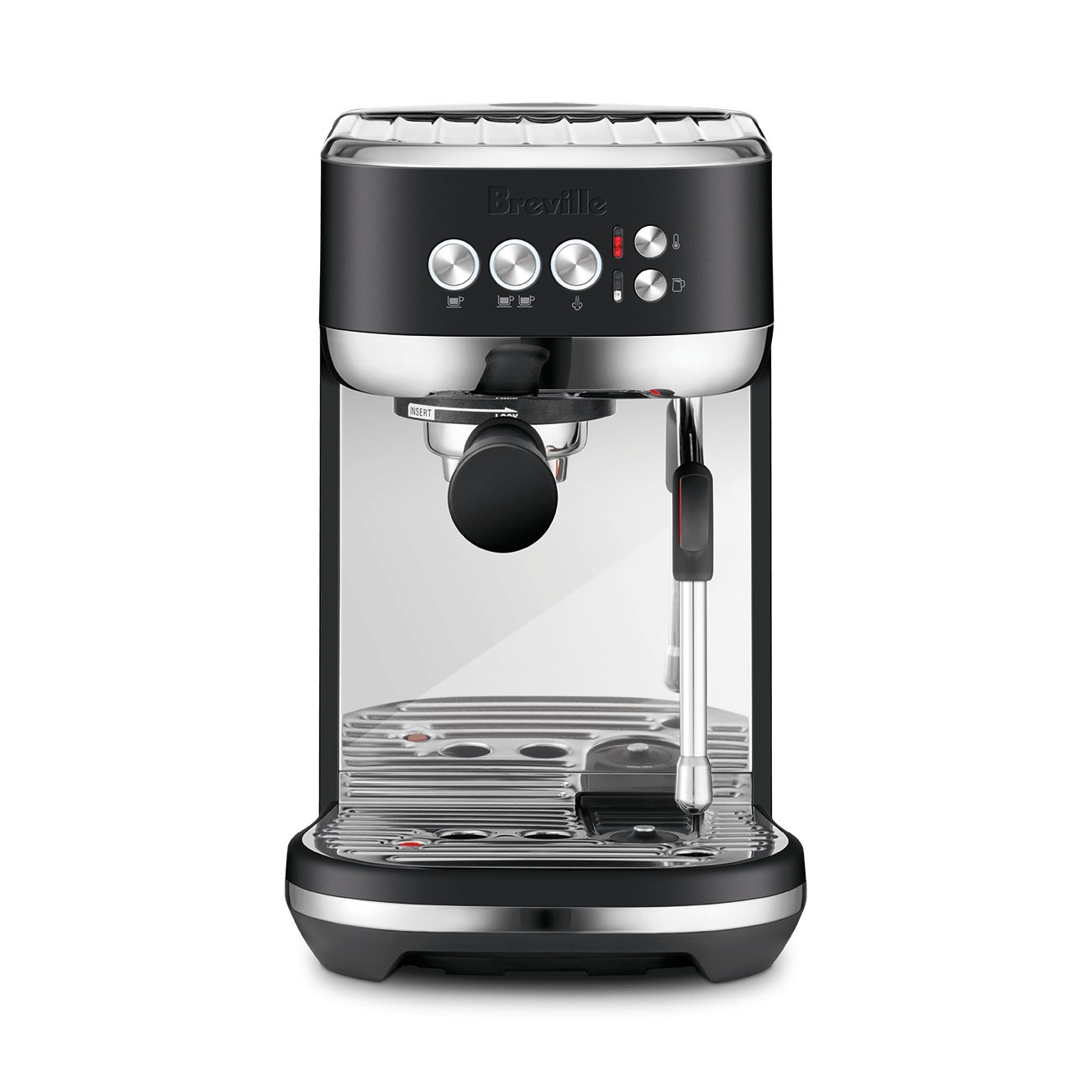 Milk drinksThe best espresso machines for lattes and cappuccinosRanked on the milk half of the drink — automatic texturing, steam wattage, and who has to learn what.Read the guide
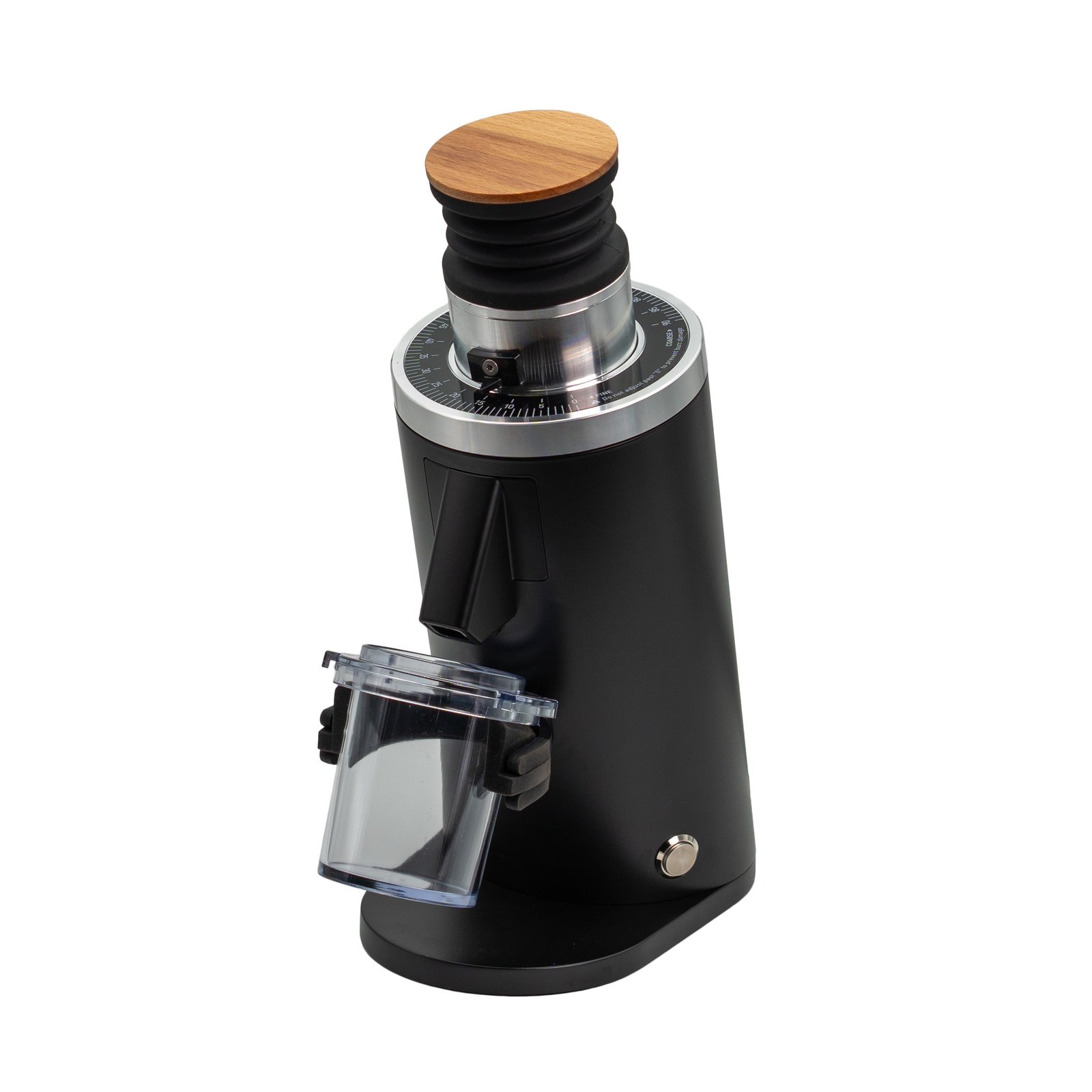 Espresso grindersThe best espresso grinders for a Breville BambinoFive grinders that can dial in a 54 mm single-wall basket, ranked on how small a change each one can make.Read the guide
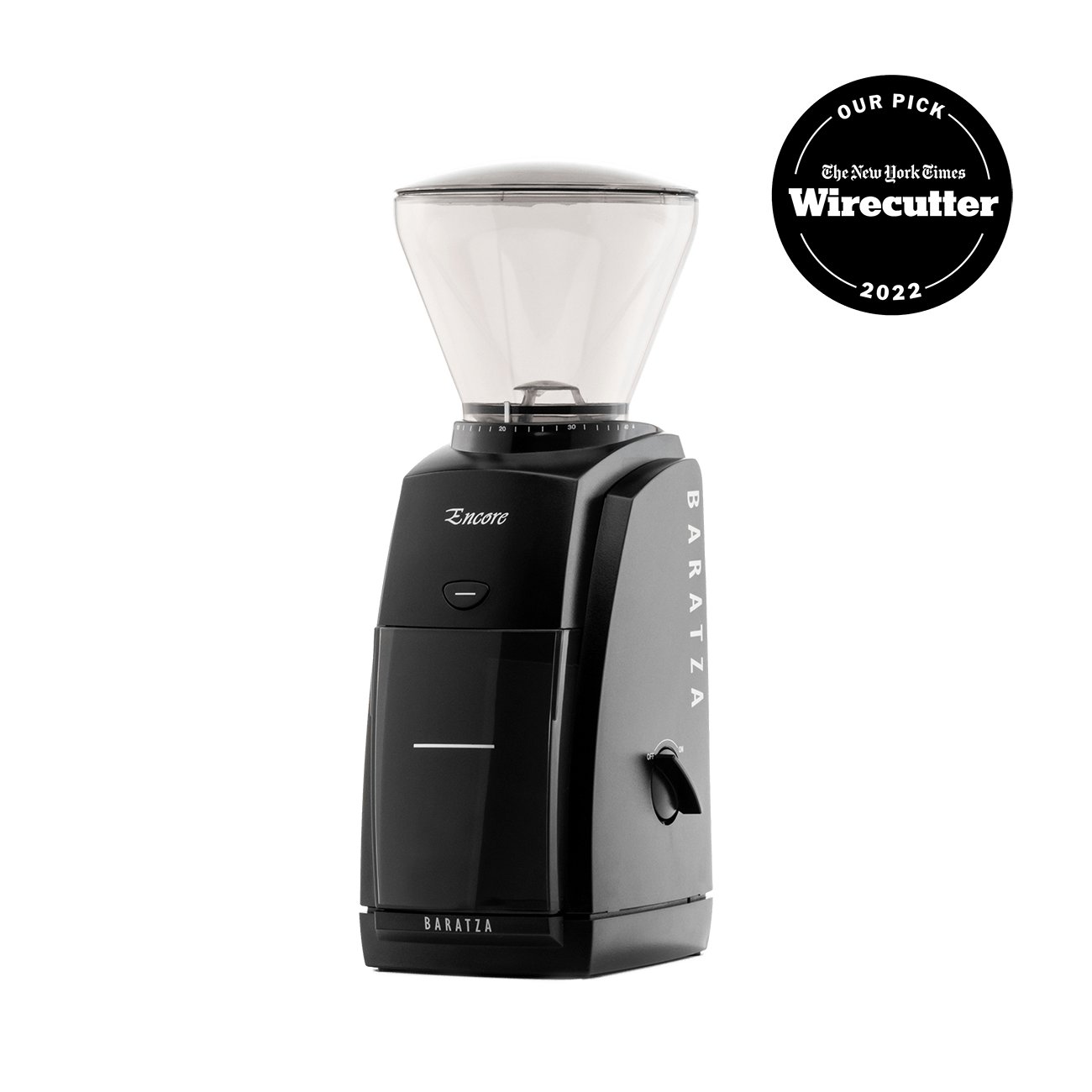 GrindersThe best coffee grinders for pour-over and dripBurr size, settings, and which ones actually hold a medium grind.Read the guide
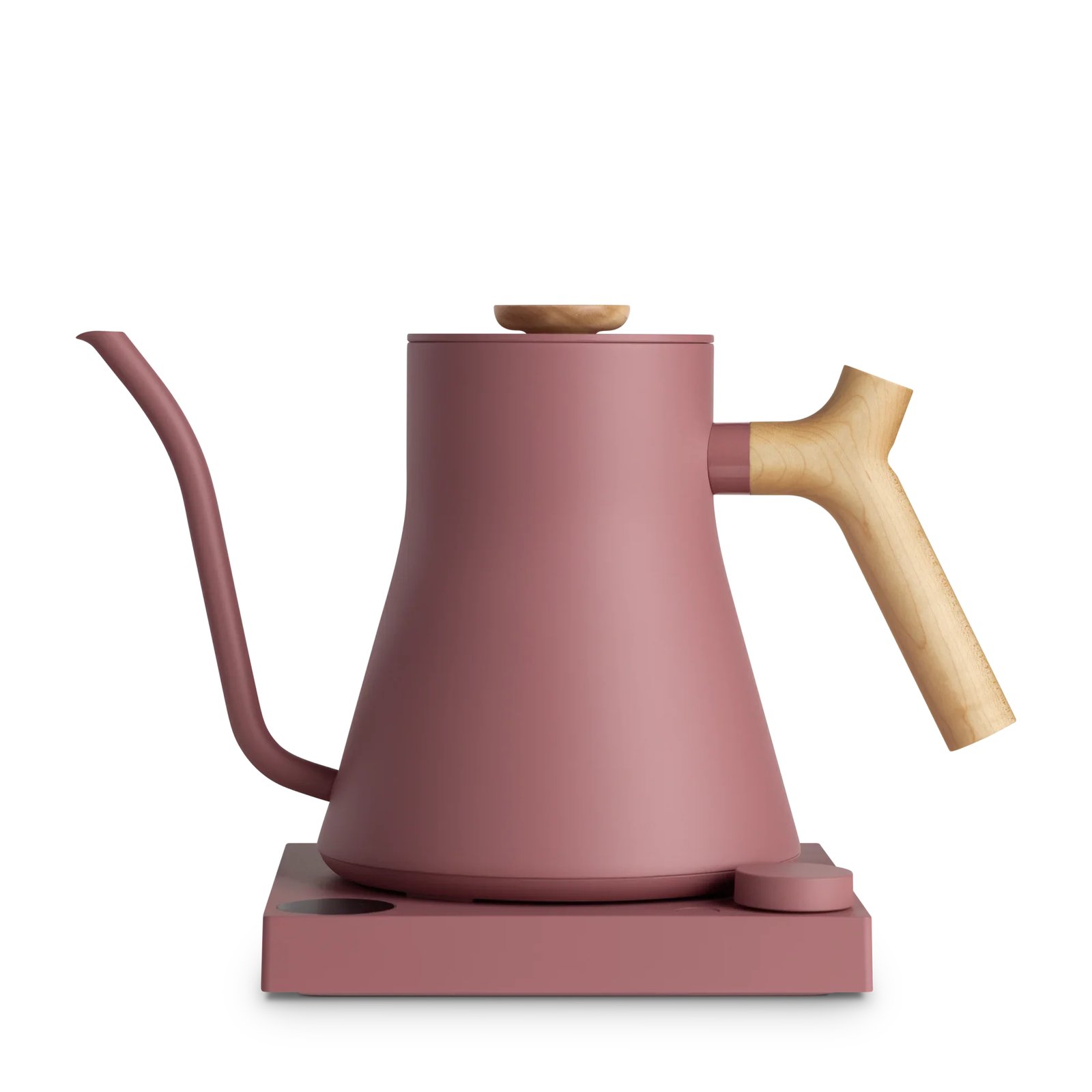 Pour-overThe best pour-over kettles and kitsGooseneck kettles, drippers, and the smallest setup that makes good coffee.Read the guide
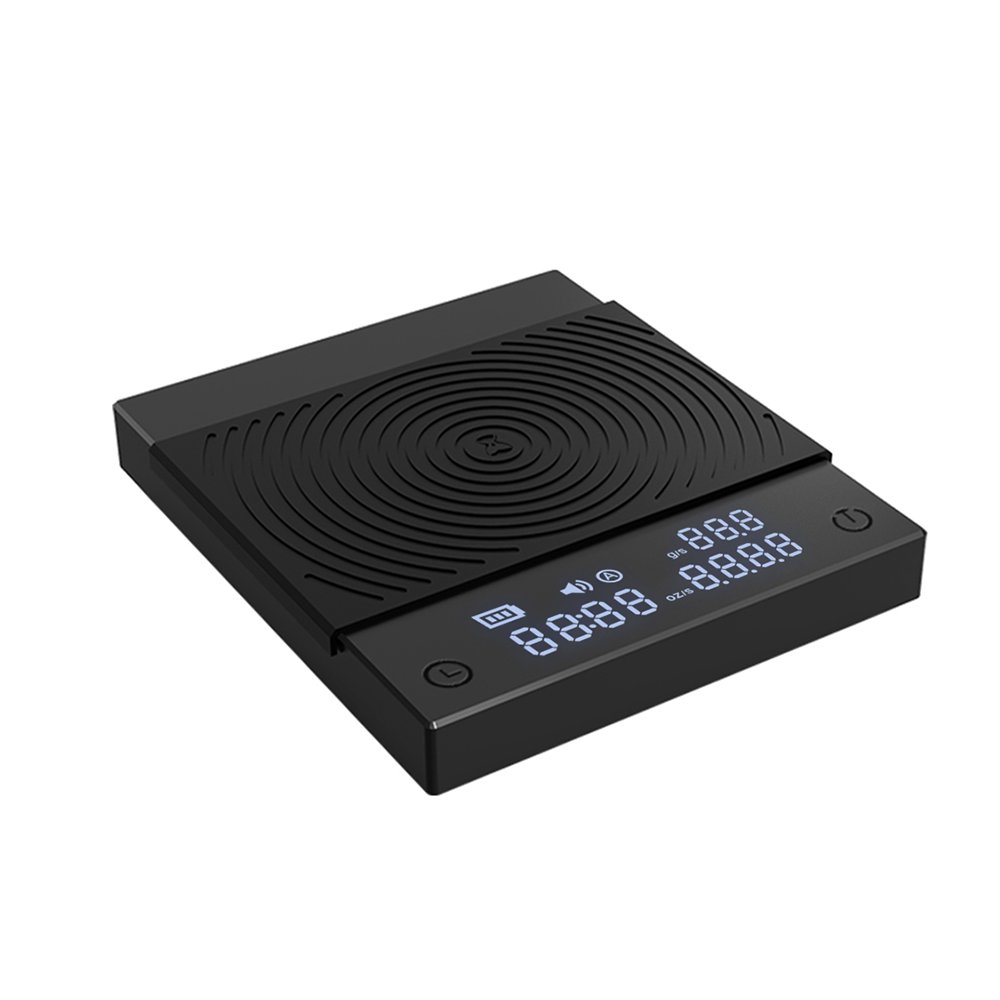 ScalesThe best coffee scales for pour-overFive scales that read 0.1 g and start a timer, ranked on the minimum weight each one will actually notice.Read the guide
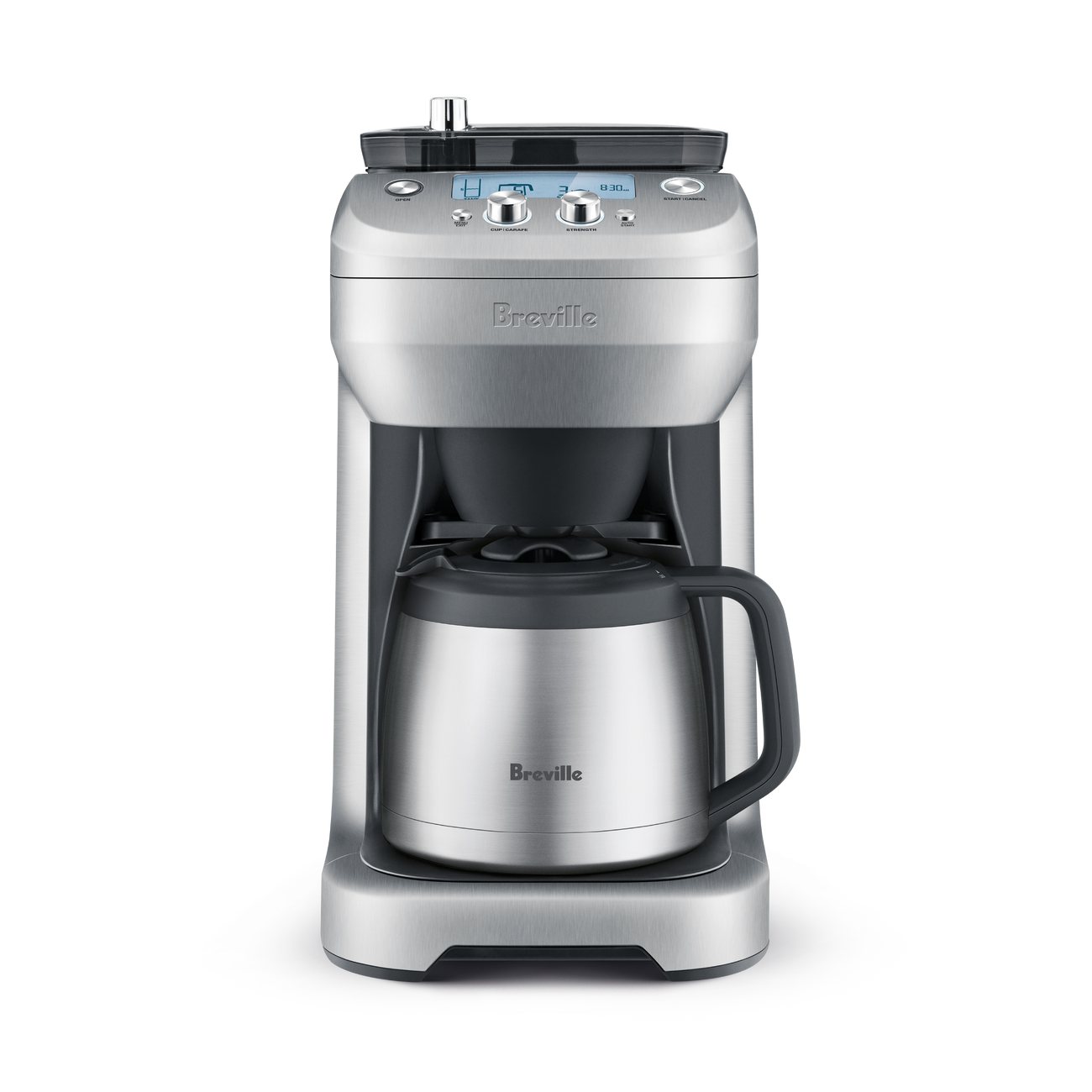 Grind & brewThe best coffee makers with a grinder built inFive machines ranked on height under a cabinet. Only two brands will say whether the grinder is a burr or a blade.Read the guide
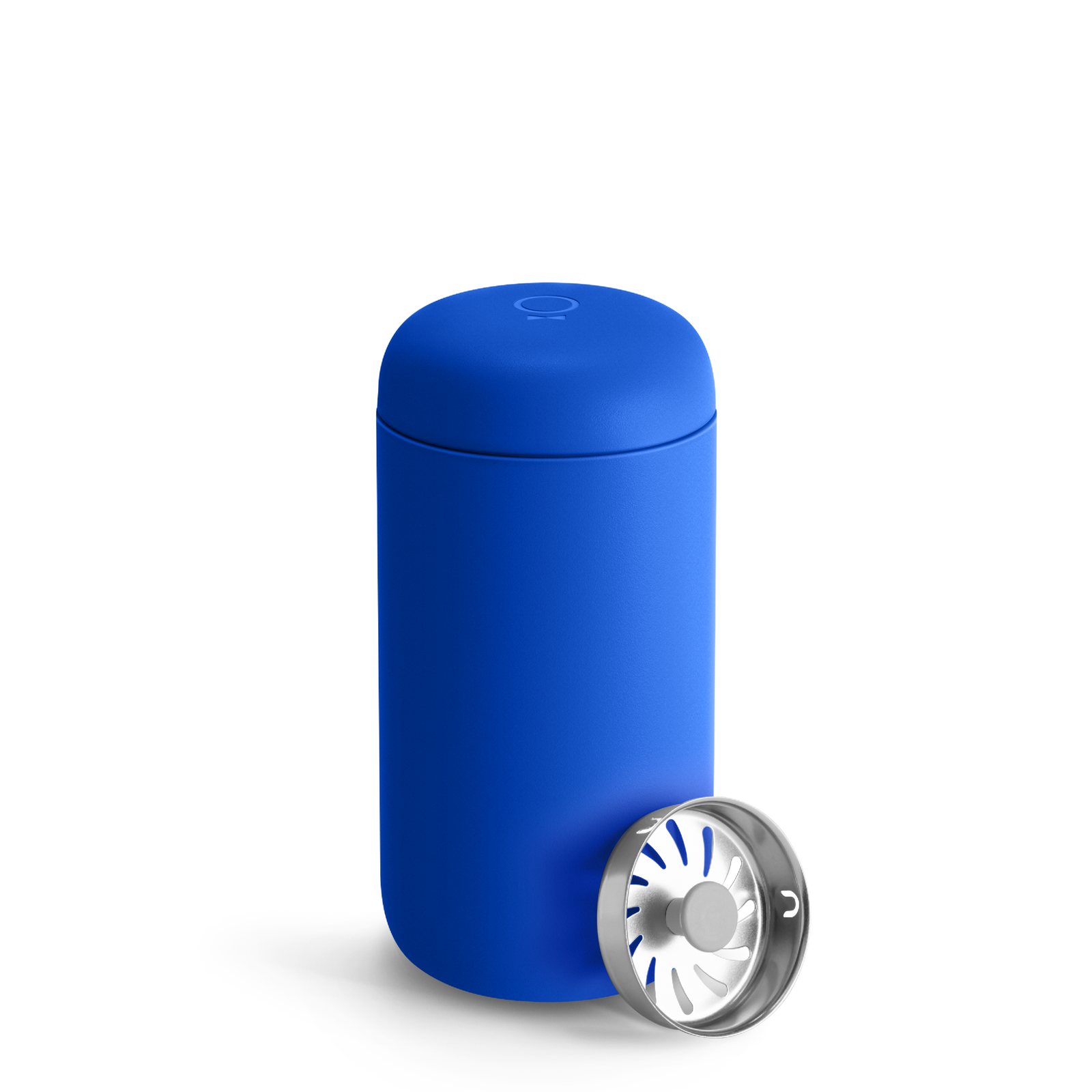 Travel mugsThe best travel coffee mugs that fit a car cup holderEveryone claims it fits. Two brands publish a body width — 77 mm and 3.06 inches — and the rest publish nothing.Read the guide
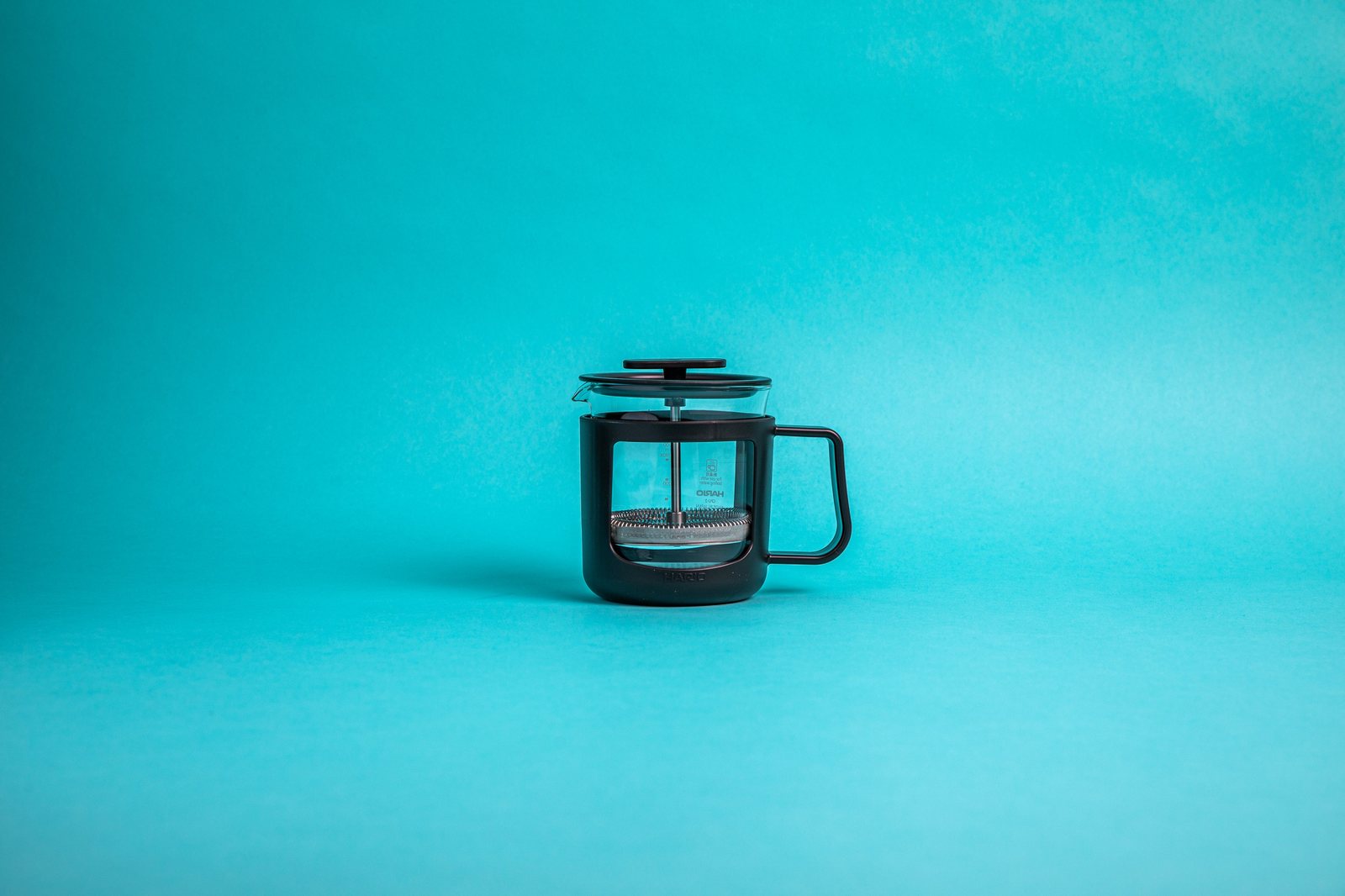 Small pressThe best French presses for one or two cupsA press has a floor as well as a ceiling. Espro publishes a 24 oz minimum brew; Hario simply sells a 300 mL press.Read the guide
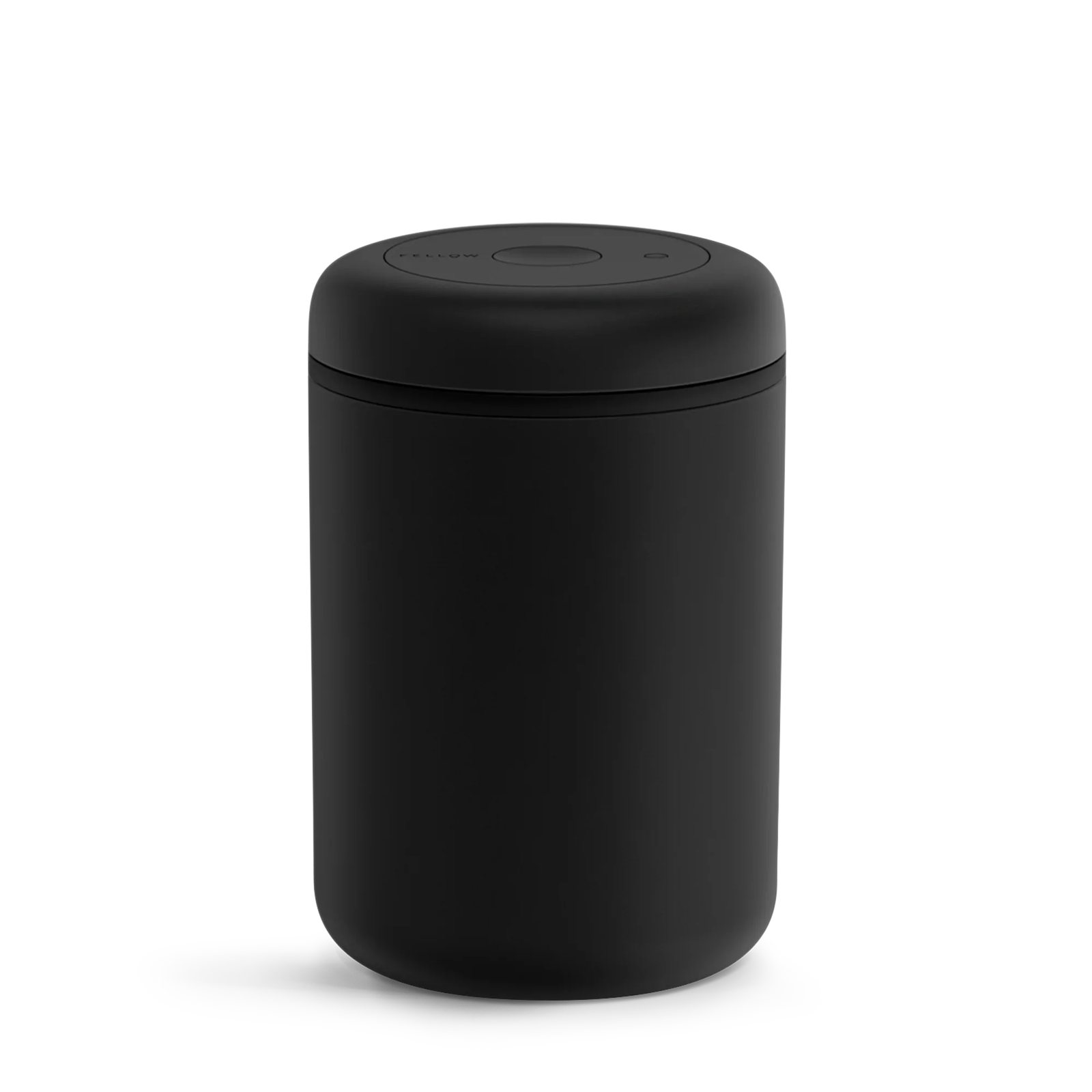 CanistersThe best coffee canisters and bean storageCapacity comes in three units that do not compare. Fellow converts for you, then says when the conversion breaks.Read the guide
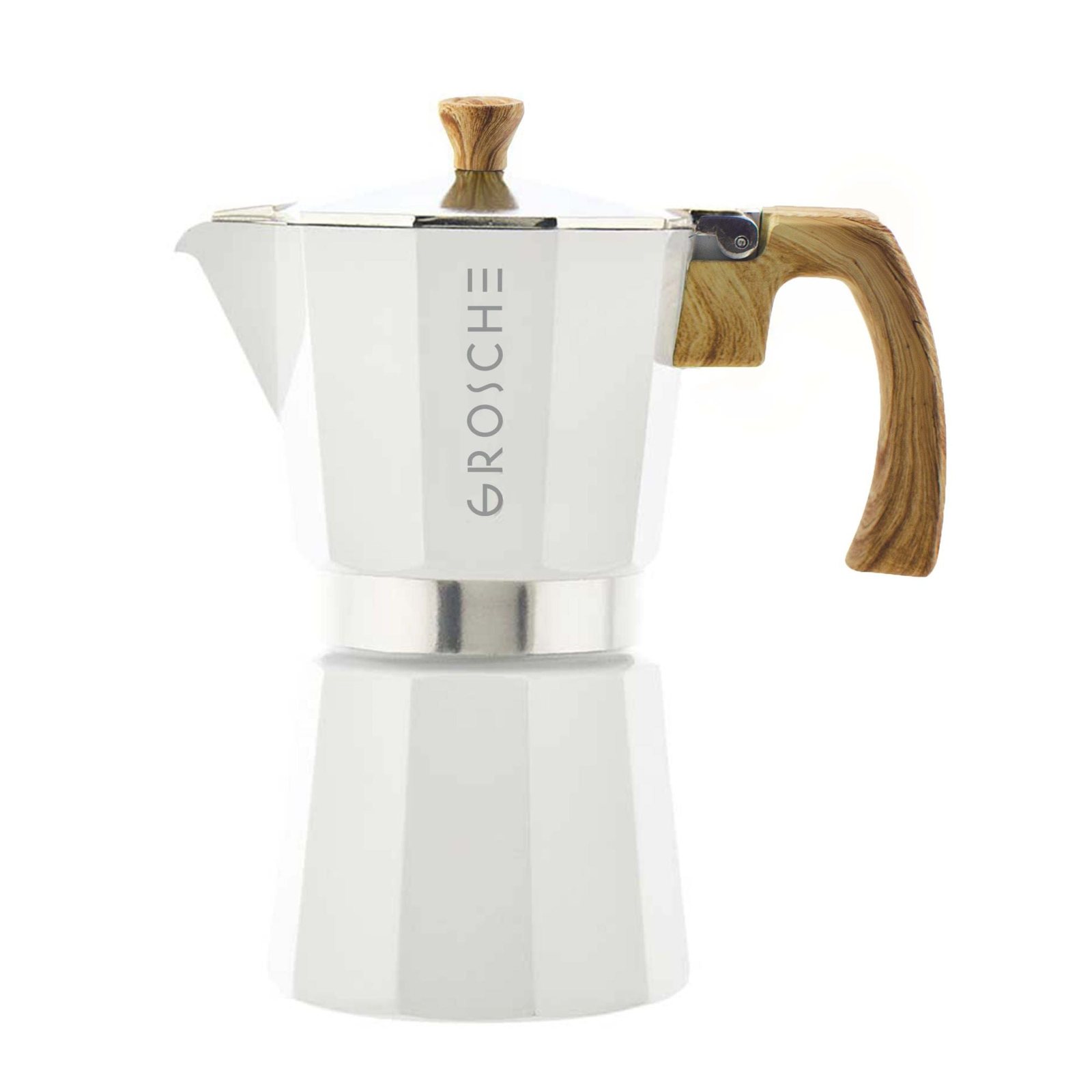 Moka potsThe best moka pots for stovetop espressoA moka "cup" is a 2 oz shot, not a mug. Bialetti publishes the whole table; a 6-cup pot makes 9.1 oz.Read the guide
 GiftsThe best coffee gifts for a home baristaSeven things for somebody who already owns a grinder, each chosen on a number its maker publishes.Read the guide
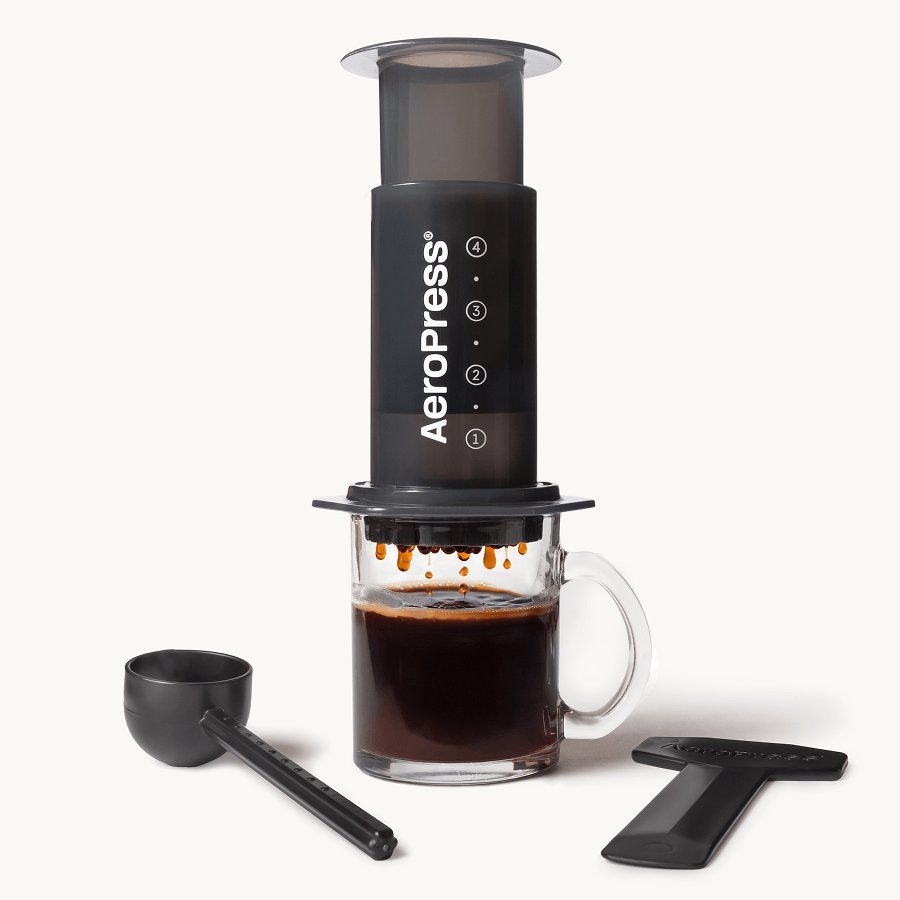 ComparisonFrench press vs AeroPress: which one to buyOne has a 10 oz ceiling and the other a 24 oz floor. That settles it before taste does.Read the guide
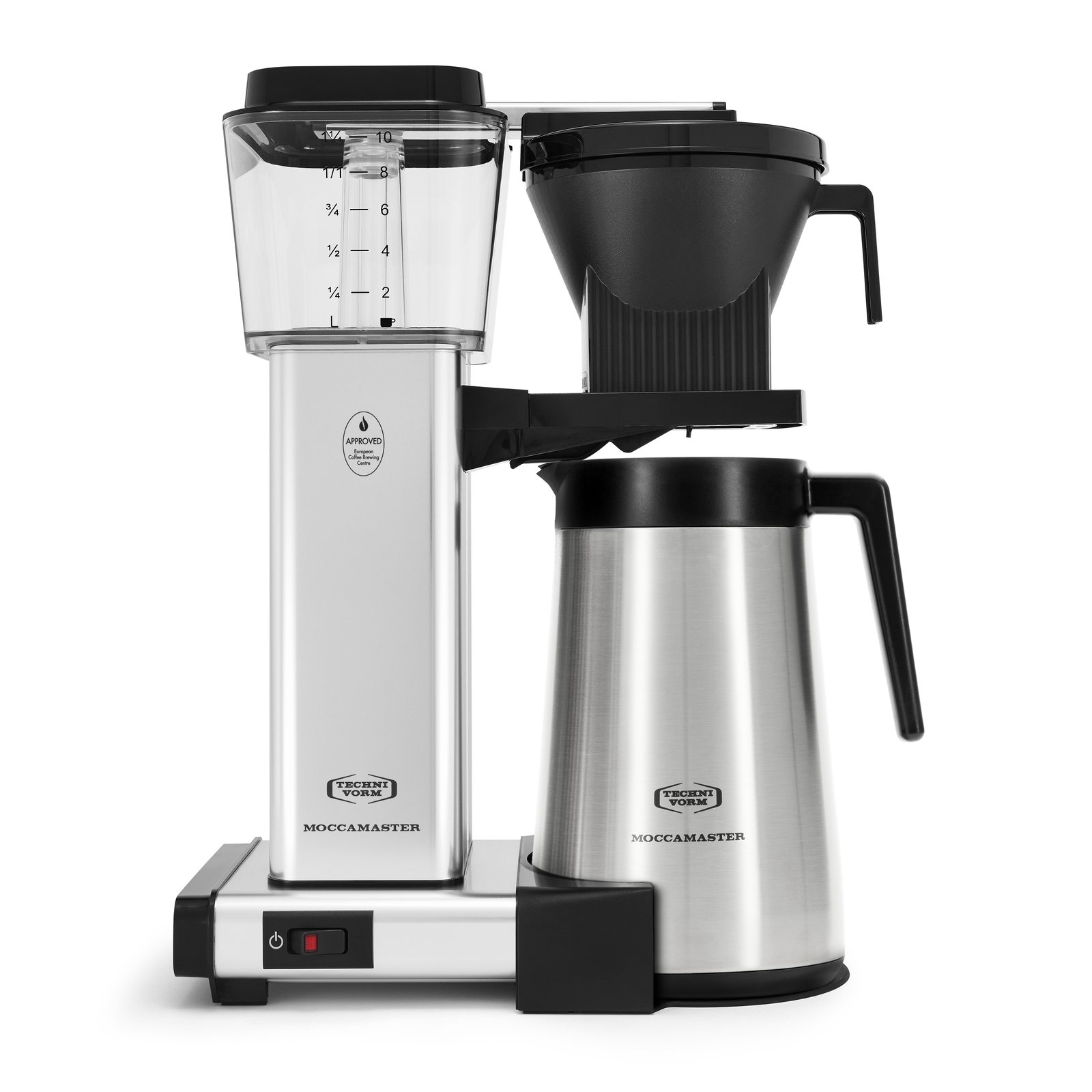 ComparisonThermal vs glass carafe: Moccamaster KBGT vs KBGVSame brewer, same 40 oz, two carafes. The thermal one is two inches taller and shuts off 88 minutes sooner.Read the guide
- DescalingHow to descale a coffee maker, by brandBreville prints a vinegar recipe. Technivorm says never use vinegar. Seven brands, seven instructions, all sourced.Read the guide
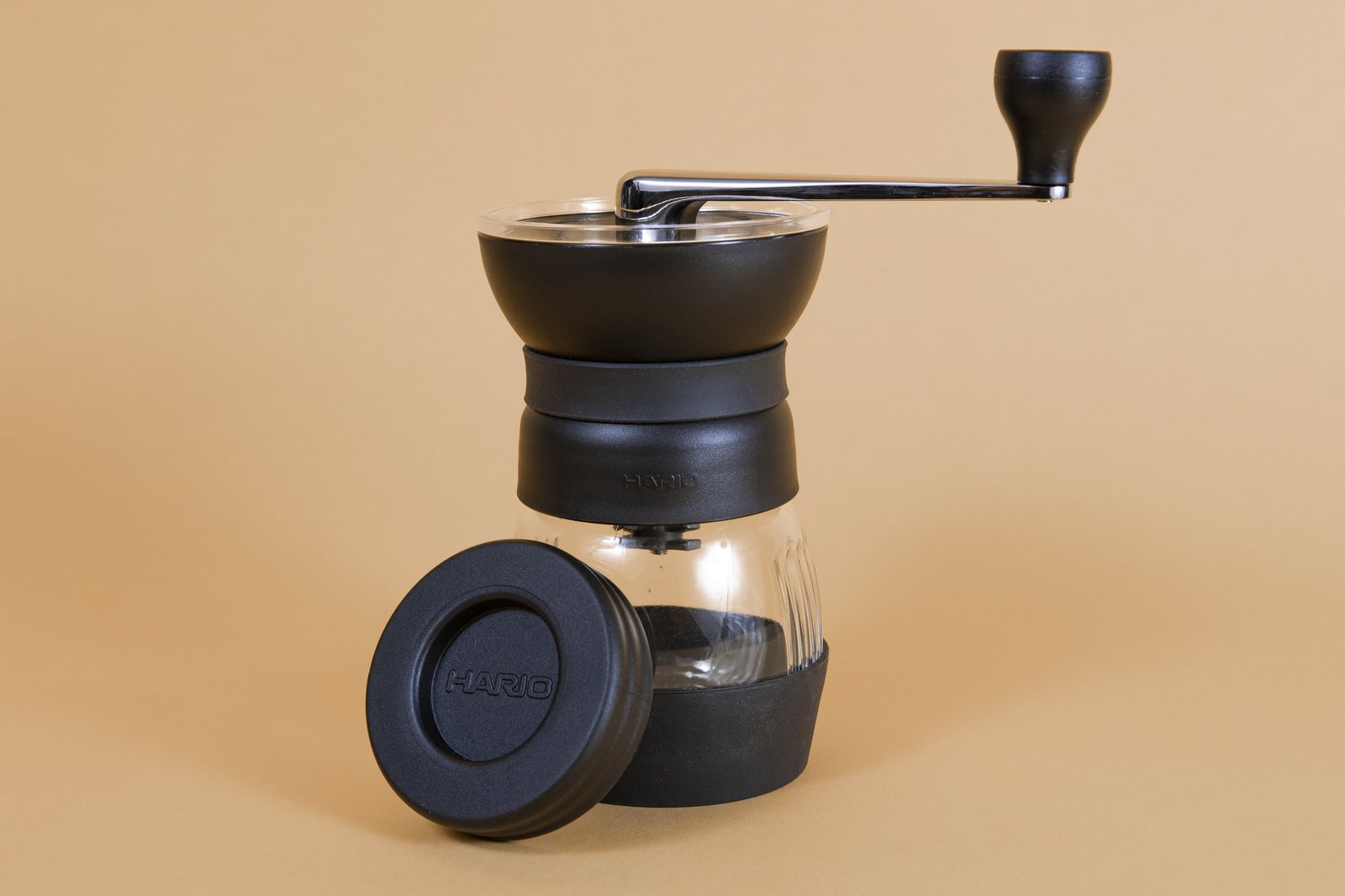 Grind chartCoffee grind size by brew methodNobody publishes microns. One grinder maker publishes click numbers — and V60 and Chemex are two clicks apart.Read the guide
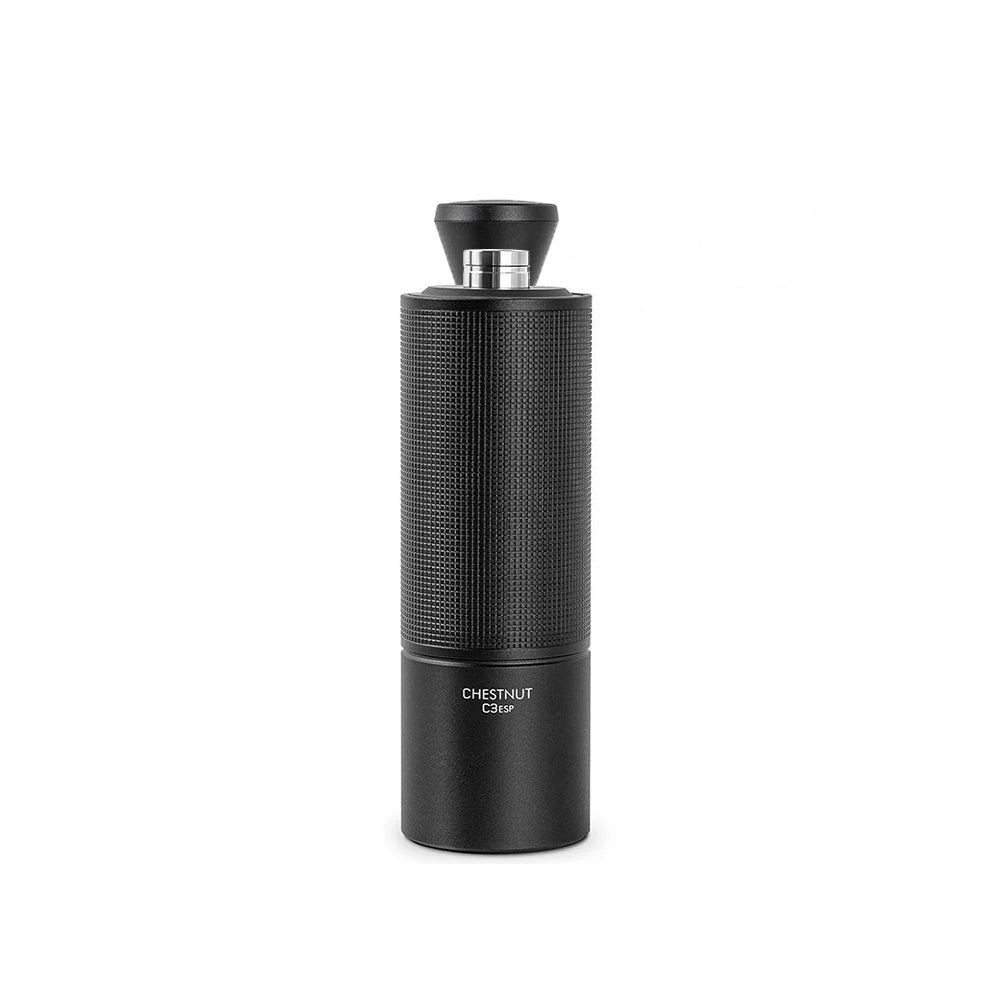 ComparisonBurr vs blade grinder: which one to buyWhy the cheap grinder ruins the expensive coffee maker, in numbers.Read the guide
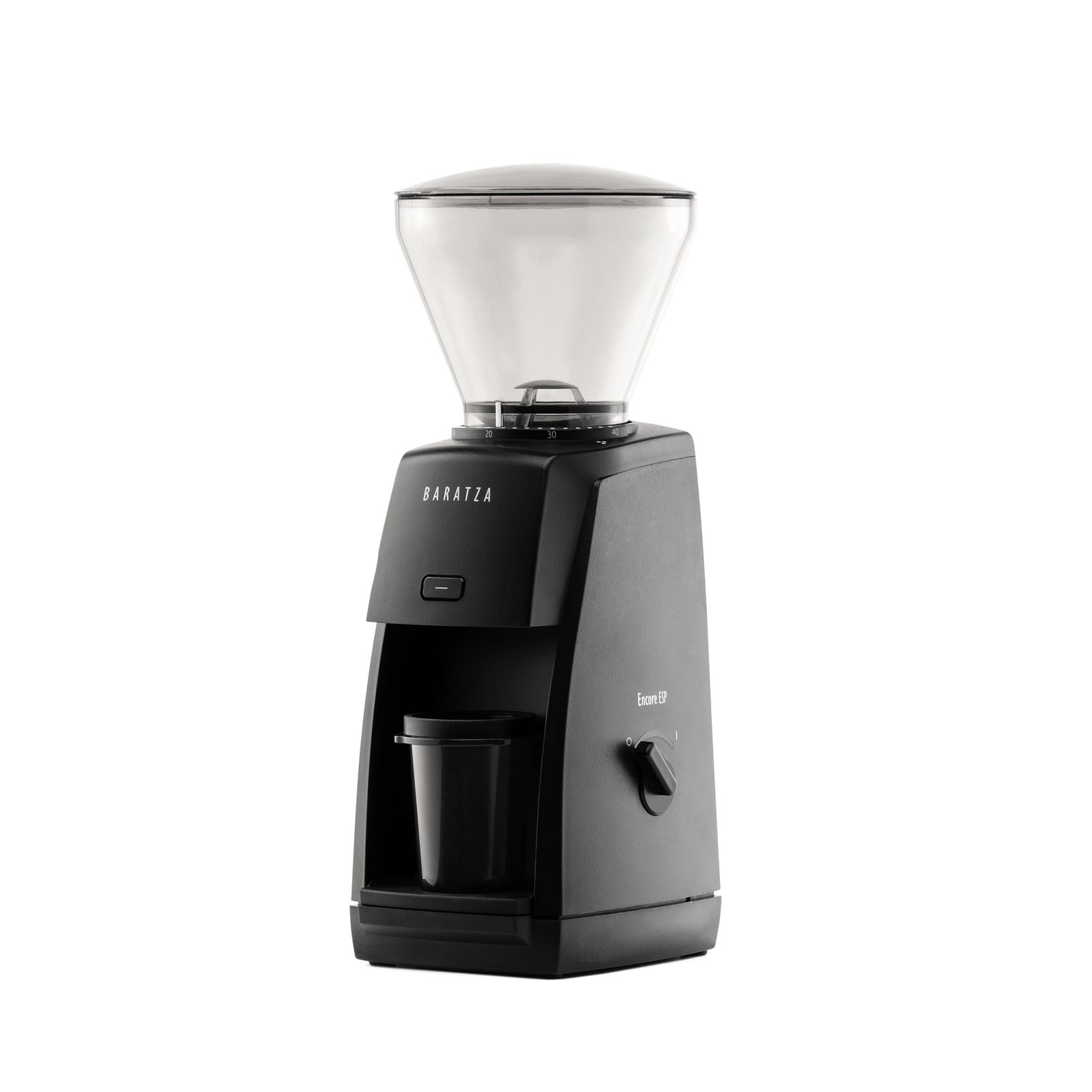 ComparisonBaratza Encore vs Encore ESP: which one to buySame body, same 40 mm burrs, two different maps of the same forty clicks. One of them cannot pull a shot.Read the guide
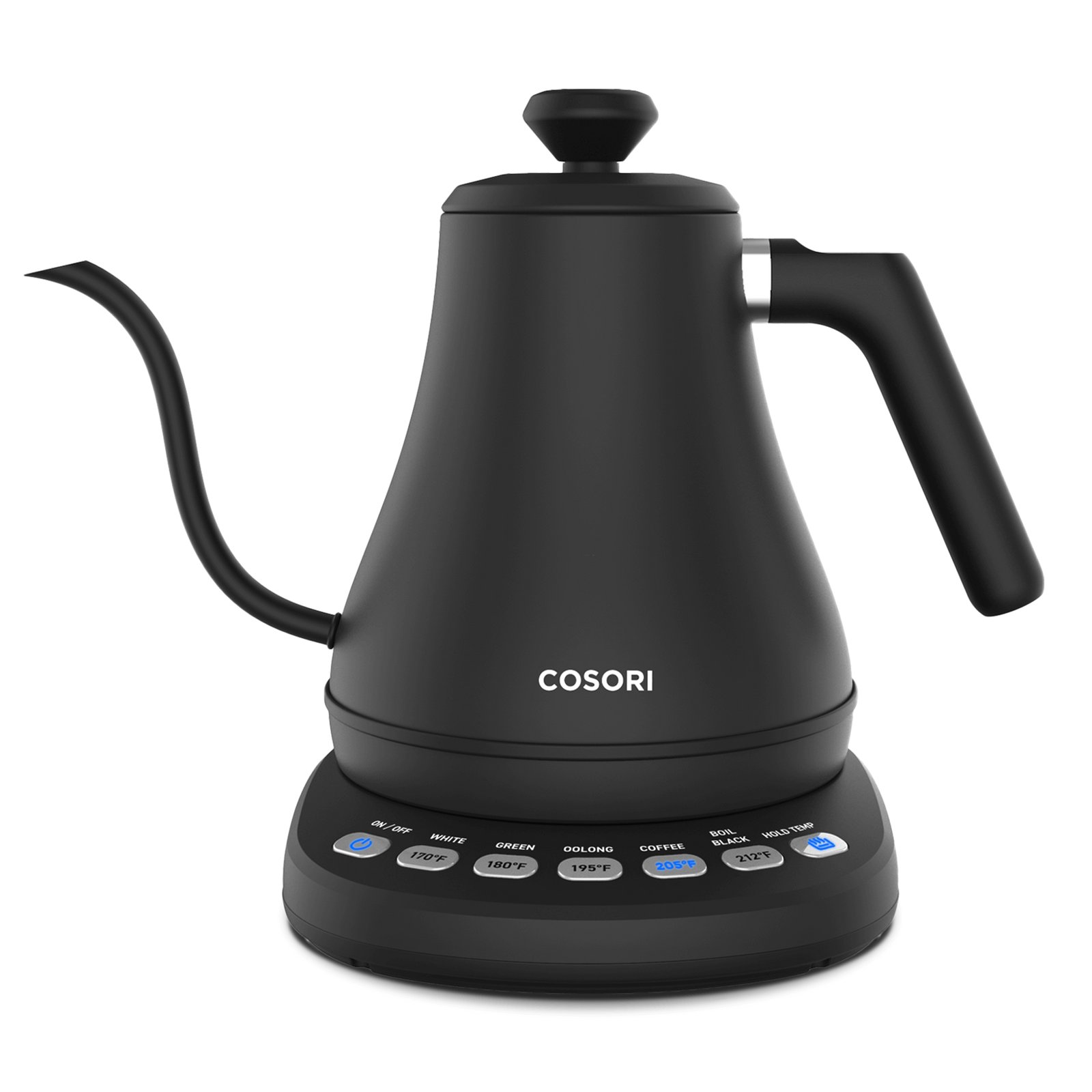 ComparisonGooseneck vs regular kettle: does the spout matter?Two kettles from one brand with the same temperature control, so the only variable left is the pour.Read the guide
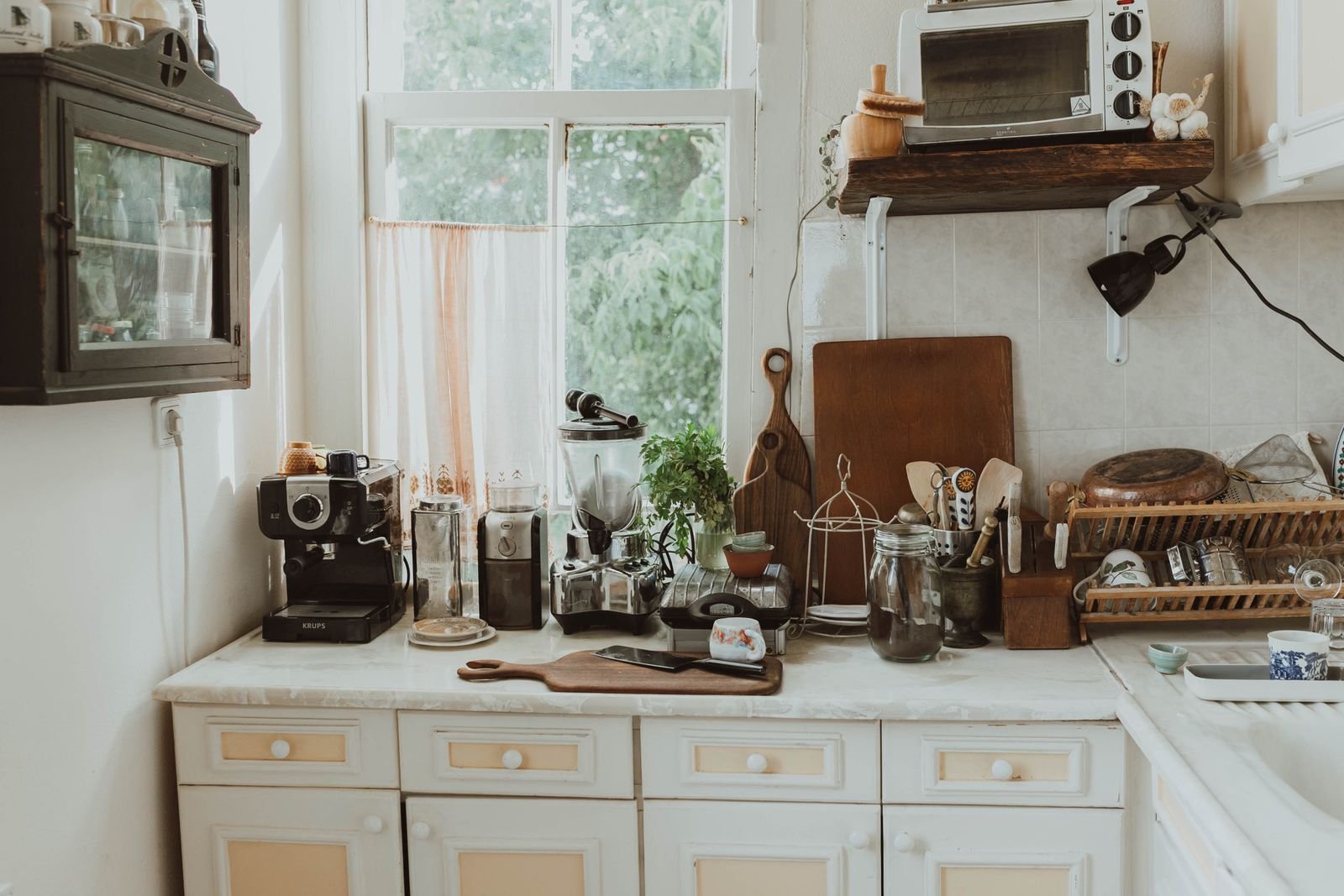 MeasuringHow to measure your counter before you buy a coffee makerThe five numbers to write down, and the one everybody forgets.Read the guide
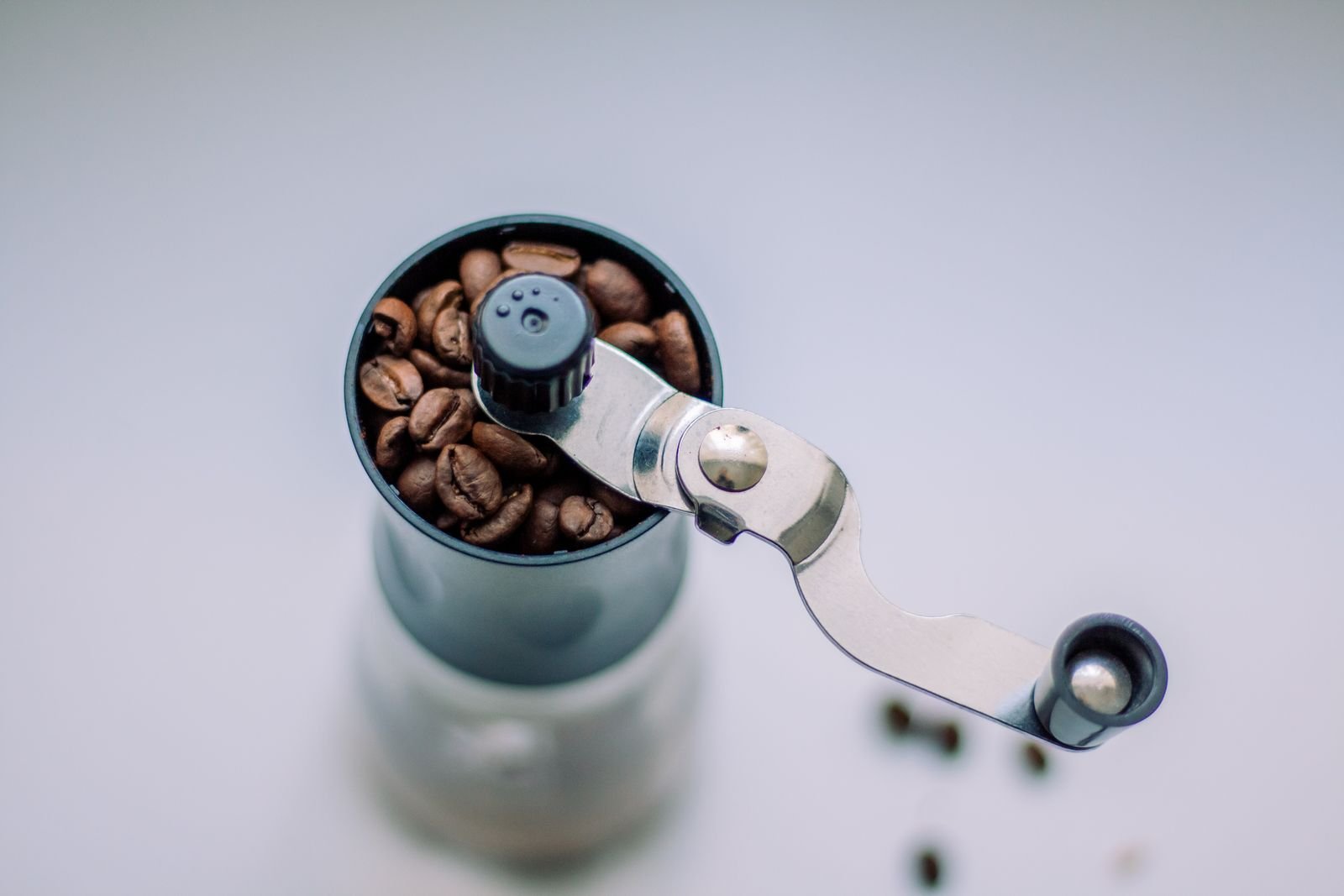 TechniqueHow to dial in a grinder for pour-overOne variable, one stopwatch, three brews. The SCA's numbers, and why brew time is the measurement to use at home.Read the guide
 WaterWater for coffee at home: what the SCA standard actually saysThe SCA has published two water tables that disagree. Both are here, from the source documents, with the band that satisfies each.Read the guide
What this site promises, and what it does not
- Every spec number is linked to the manufacturer's own page. Open the Sources block at the bottom of any guide and check one. If a brand does not publish a figure, the guide says "not published" rather than filling the gap.
- No prices, no star scores, no review counts. Retailers change prices; a number typed into a page by hand is wrong within a week. Every guide uses a price band and hands you off to the retailer for the real figure.
- Zero sponsored placements. No brand has paid for a position here, and no brand sees a guide before it publishes.
- The rejects are named. Every guide ends with the products that did not make it and the specific number that disqualified them.
How we pick
Each guide starts with a constraint a buyer can measure — cabinet clearance, counter width, a grind range, a temperature — and ranks against it. Specifications come from the manufacturer's published documentation, converted into the units a kitchen is built in. We do not run a lab and we never write "we tested" about something we did not do; where a claim comes from published documentation, the guide says so, and the source is listed. This is research, done carefully, with the sources in the open.
Start here
New to home coffee and not sure what to fix first? Read burr vs blade before you buy any machine. The grinder decides more about the cup than the brewer does, and it is the upgrade most people make last.