As an Amazon Associate I earn from qualifying purchases.
Every garage storage guide here starts with a published load rating

My two-car garage fit exactly zero cars. Fixing that took a year of weekends, three trips back to the store, and a lot of reading of spec sheets that turned out to say something different from the product title. The Garage Wall is where I write down what the manufacturers actually publish, so you can skip that part.
Fifteen guides so far, covering every surface that holds a garage up — the ceiling, the floor, the walls and the bench — plus the bikes, the light, the fasteners and what to measure before any of it. Start with the one that matches your problem, or read how to plan a garage wall if you have not measured anything yet.
The guides
 Start hereHow to plan a garage wall before you buy anythingStud spacing, ceiling height, vehicle clearance, joist direction and pounds per anchor — the five measurements that decide which of the guides below applies to you.Read the guide
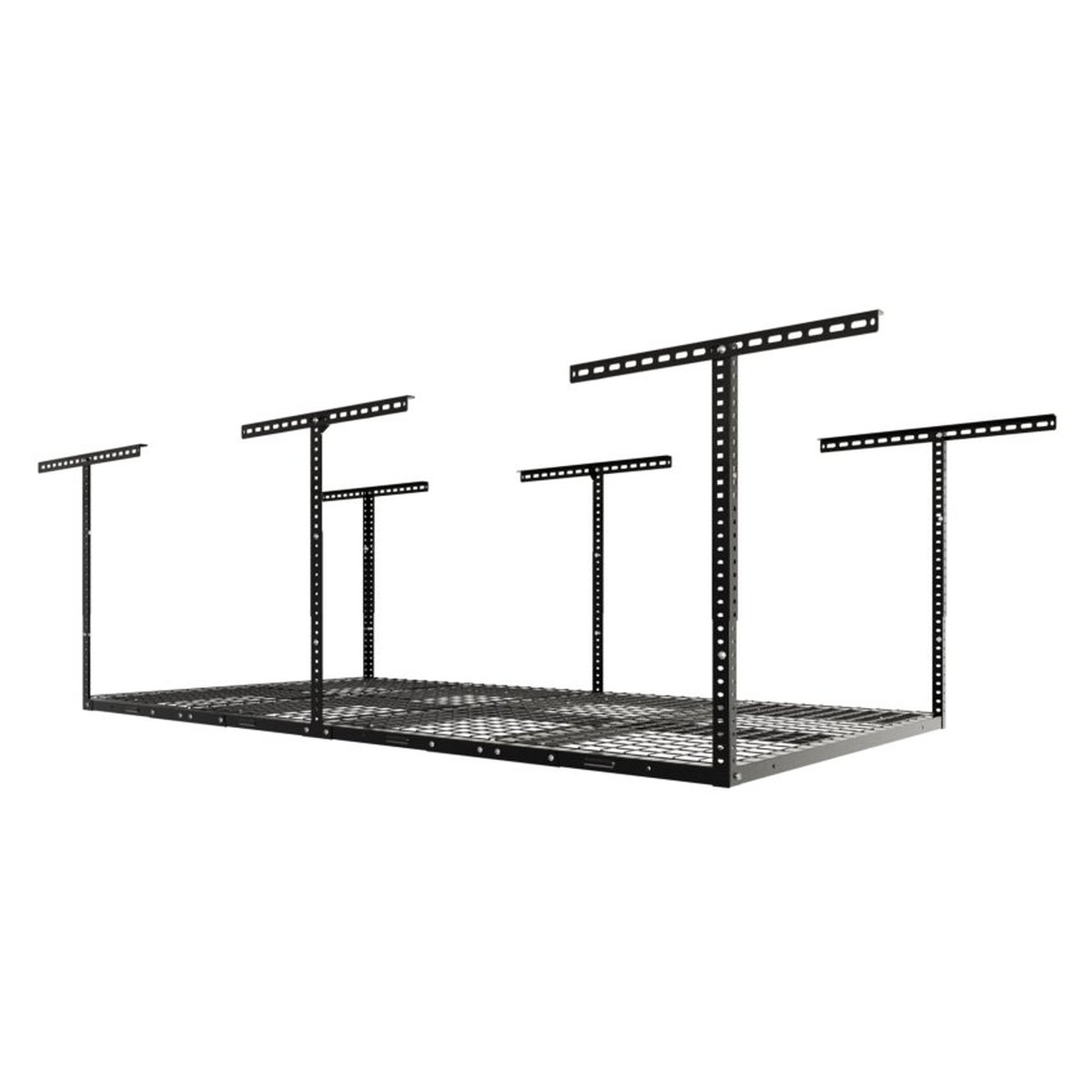 The ceilingThe best overhead garage storage racksSeven ceiling racks from 150 to 1,000 published pounds. FLEXIMOUNTS' Classic 4 × 8 wins; the HyLoft is the only one for an 8-foot garage.Read the guide
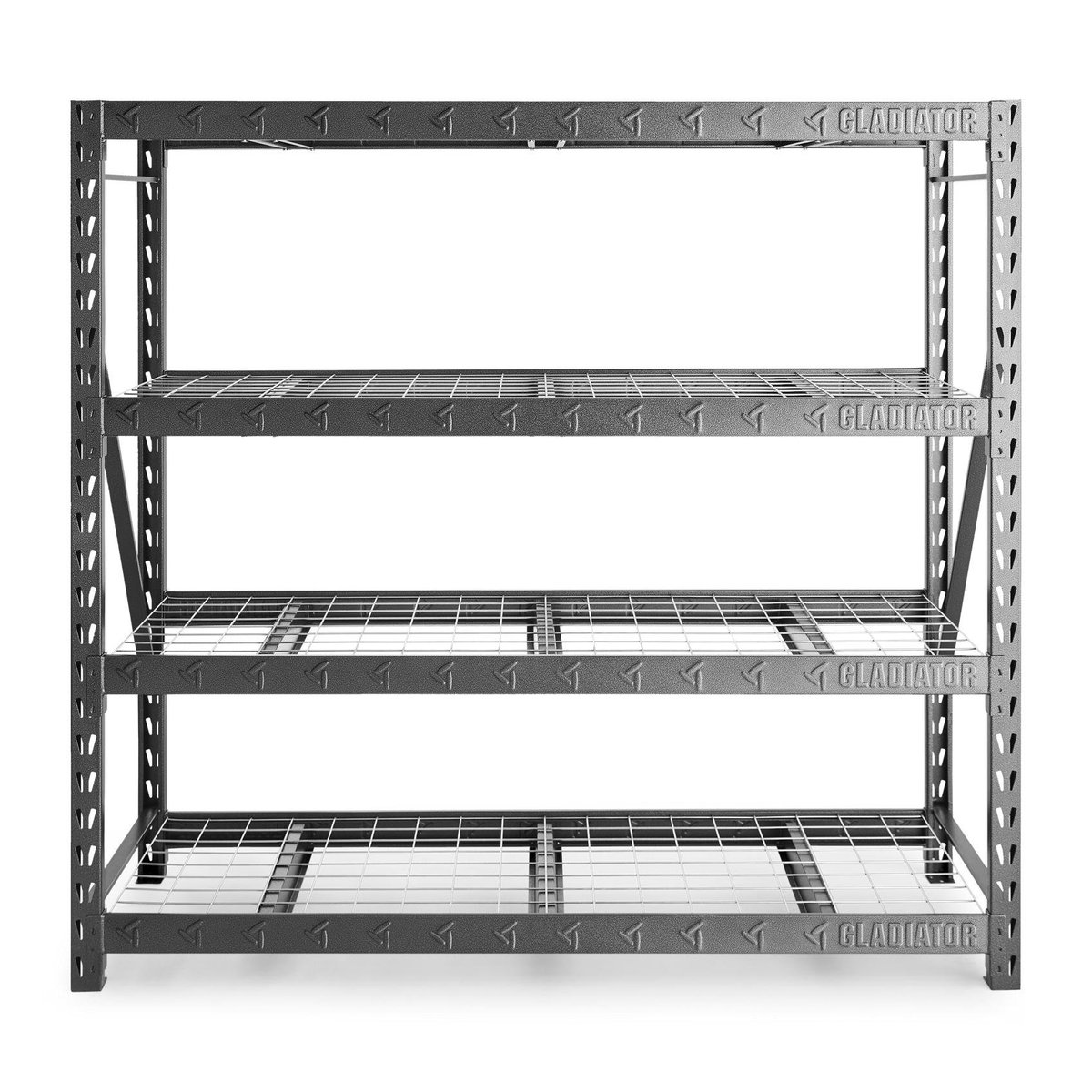 The floorThe best heavy-duty garage shelving unitsWhy a unit sold as "2000 lbs Capacity" holds 400 pounds a shelf, and which free-standing racks publish a rating you can plan against.Read the guide
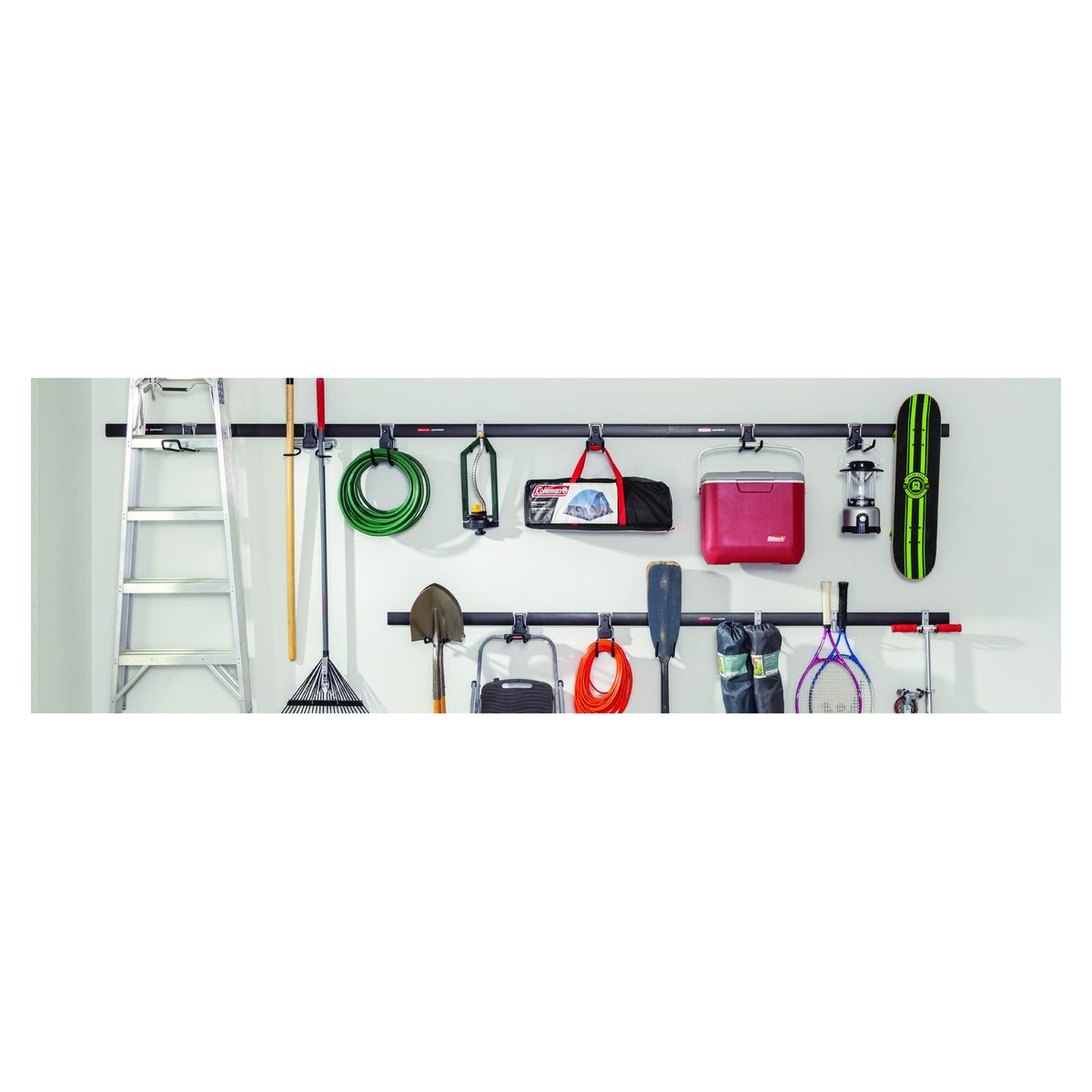 The wallThe best garage wall organizer and track systemsRails, slatwall and wall shelves, compared by what each brand measures — per rail, per linear foot, per square foot — and which of them do not include screws.Read the guide
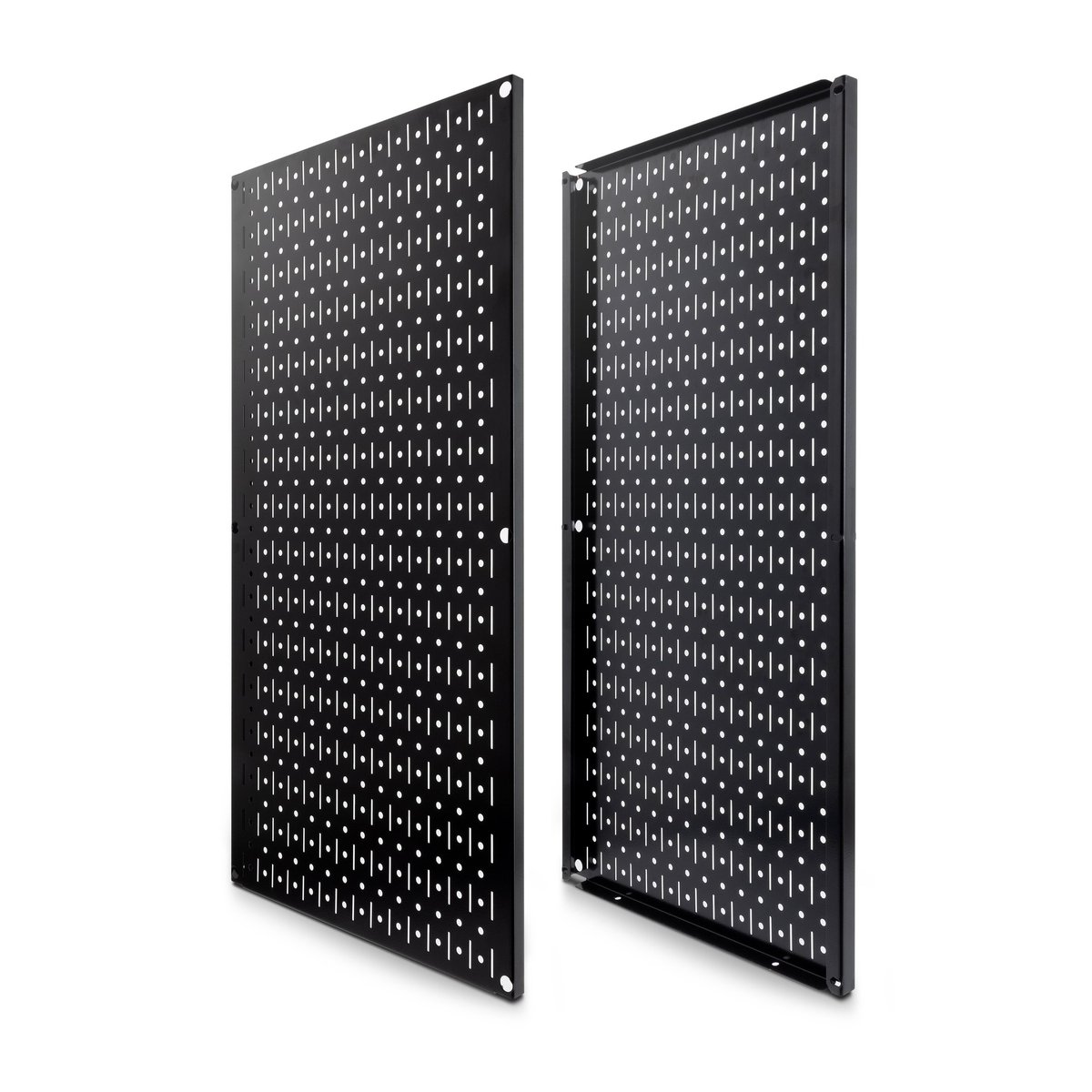 The benchThe best metal pegboard kitsOnly one manufacturer in this category publishes a hanging load. That fact picks the winner, and explains why the numbers you see quoted elsewhere are worthless.Read the guide
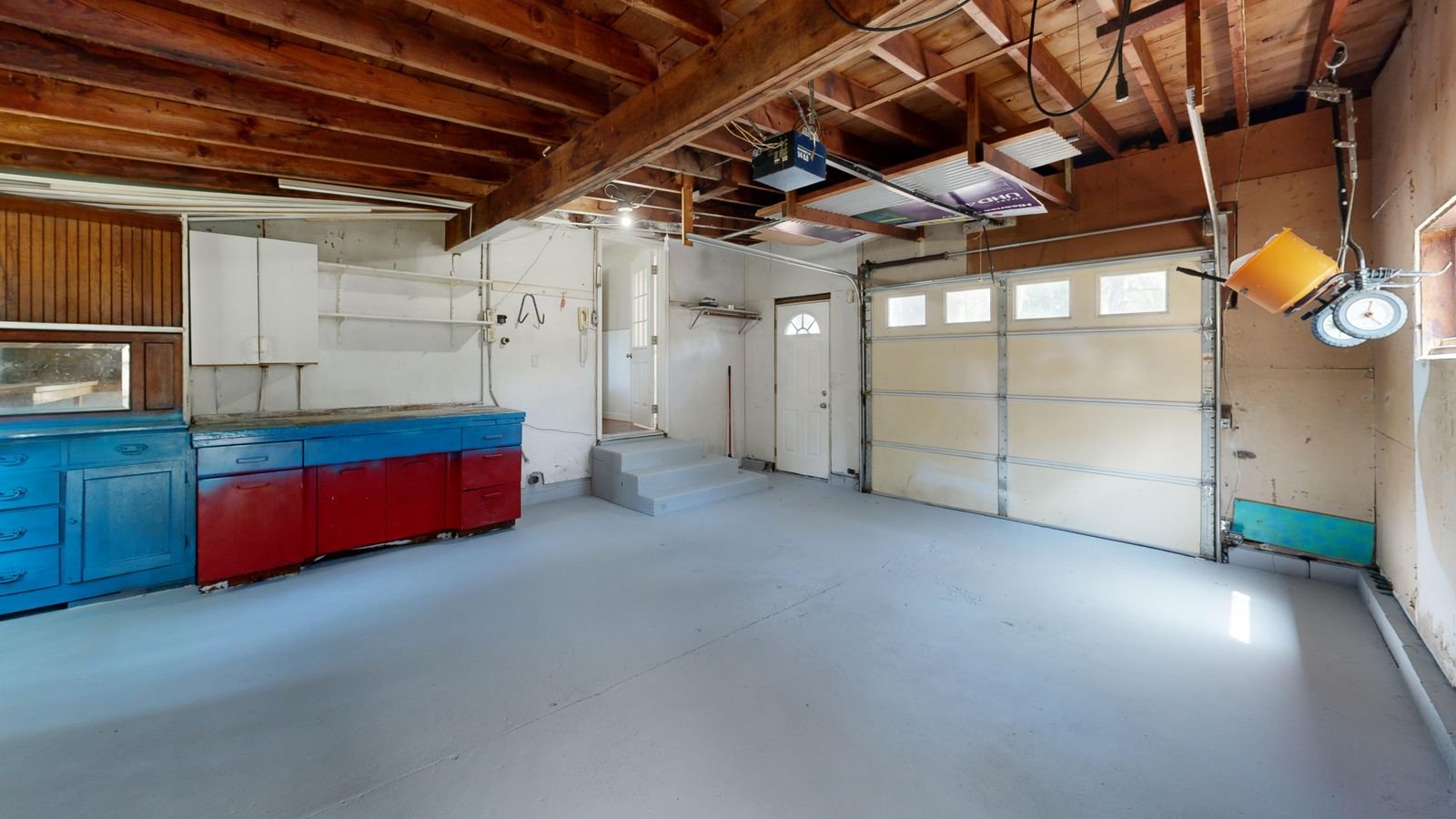 The decisionOverhead rack vs shelving for a one-car garageIn a 12-foot bay the ceiling is free and the floor is not — until the ceiling is only 8 feet. Where that rule breaks, and which to buy first.Read the guide
 BikesThe best garage bike racksSix ways to get bikes off the floor, from a 200-pound four-bike bar to a hoist that lifts an e-bike at a 4-to-1 pull. Tire width disqualifies more racks than weight does.Read the guide
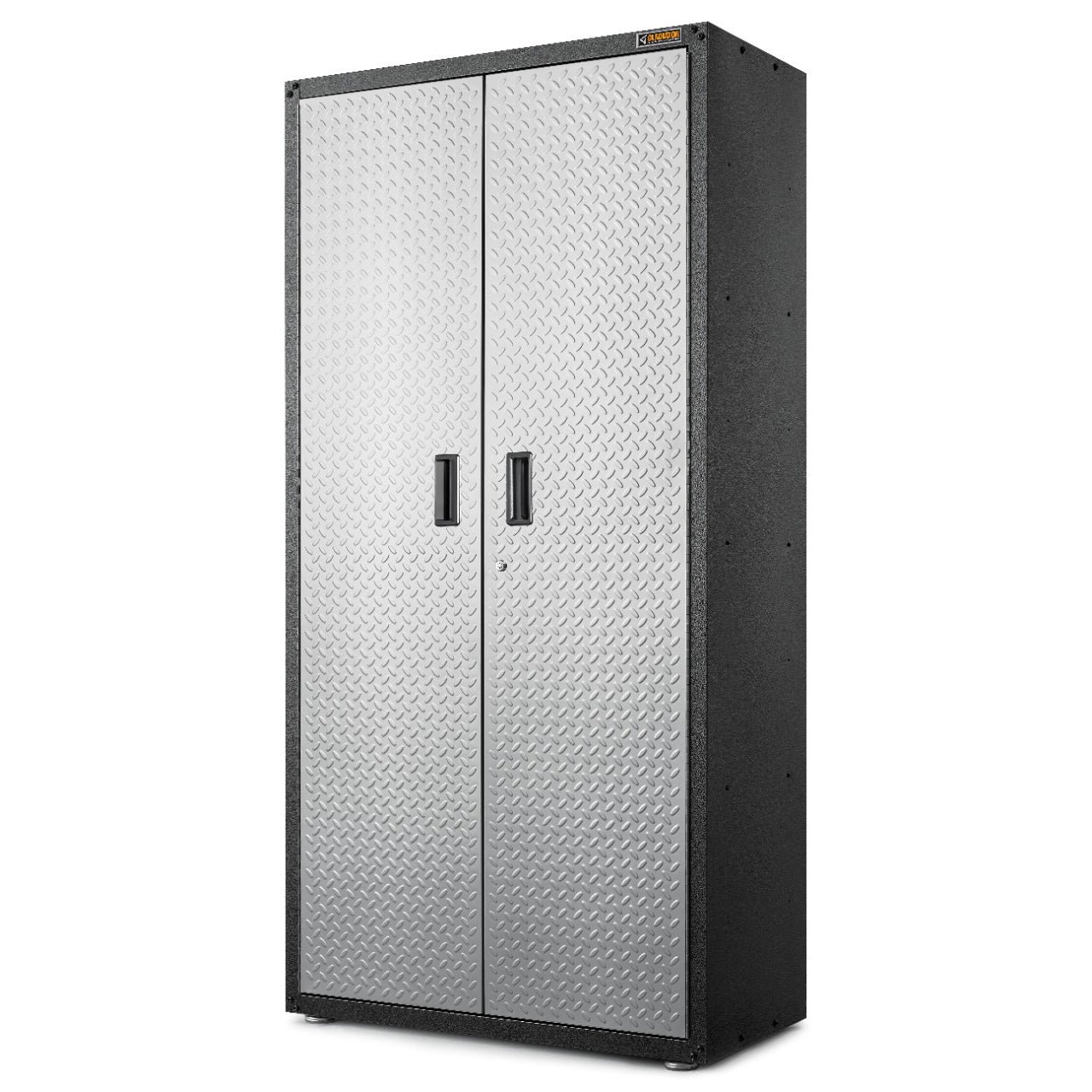 CabinetsThe best garage storage cabinetsSix steel cabinets by pounds per shelf — including one whose own product page publishes two different capacities, 260 pounds apart.Read the guide
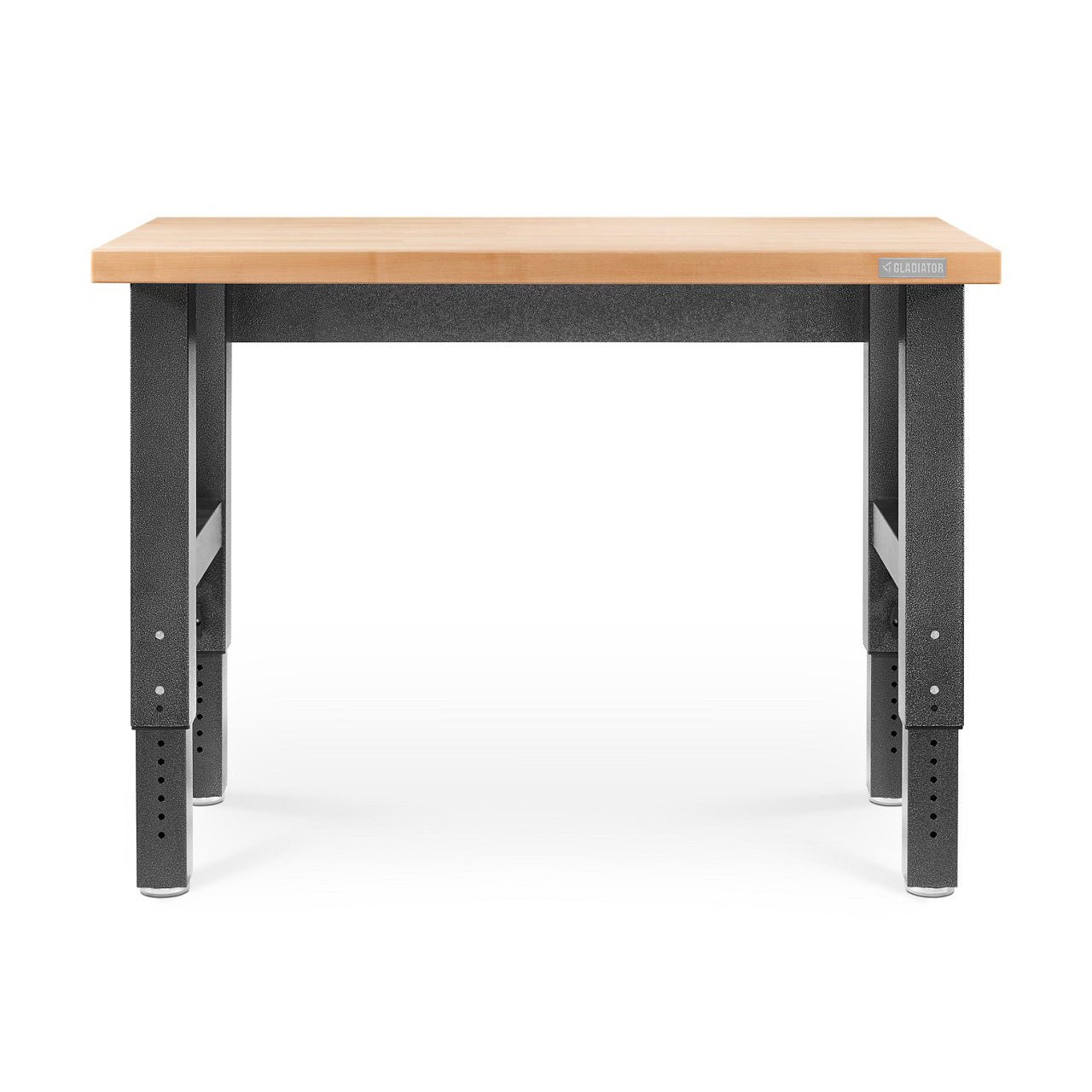 The benchThe best workbenches for a one-car garageFive benches that fit a single bay, from a 3,000-pound hardwood top to a wall unit that folds to ten inches deep when the car comes home.Read the guide
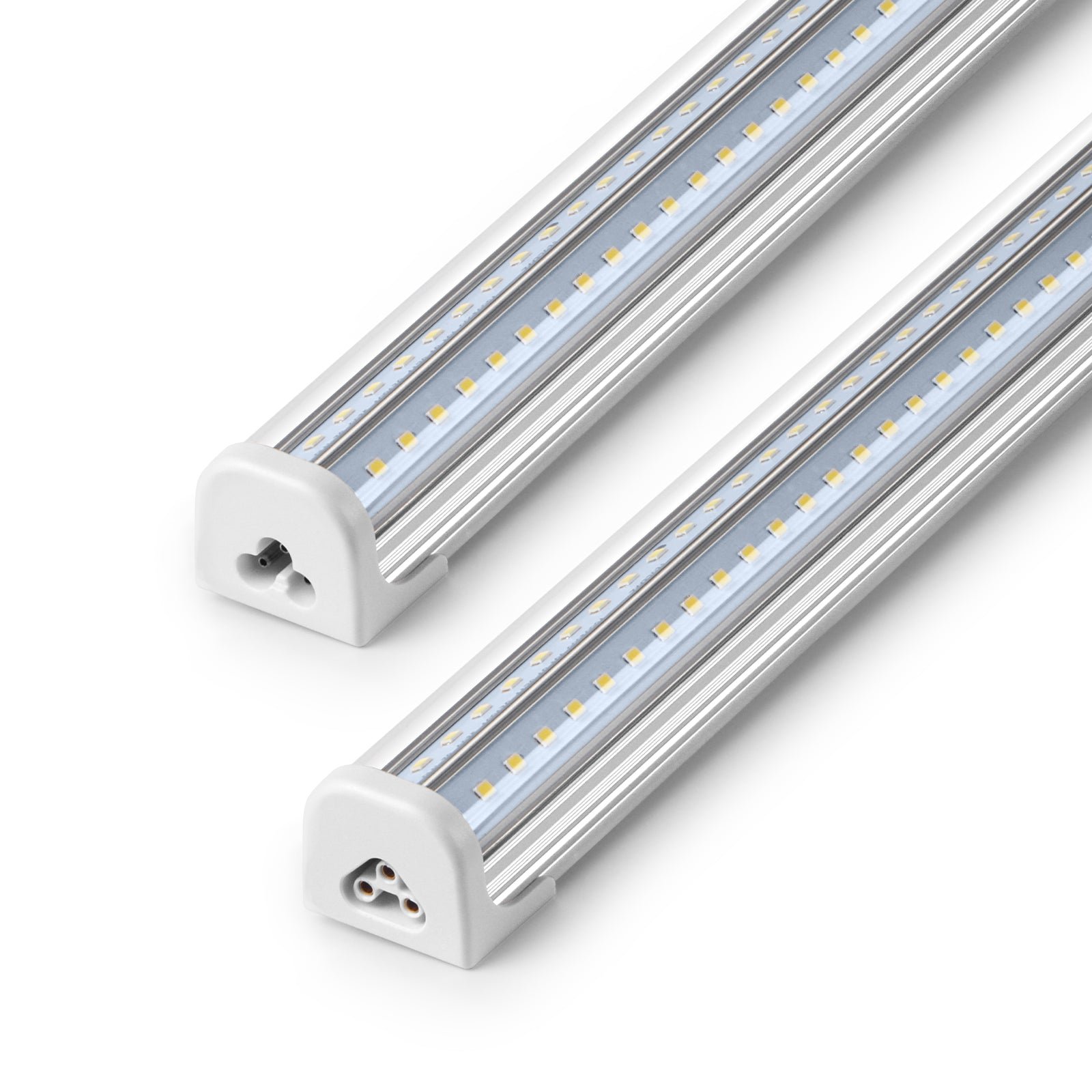 LightThe best LED shop lights for a garageA two-car garage needs about 20,000 lumens. Six fixtures by published output, links per run and lumens per watt — no "equivalent wattage" anywhere.Read the guide
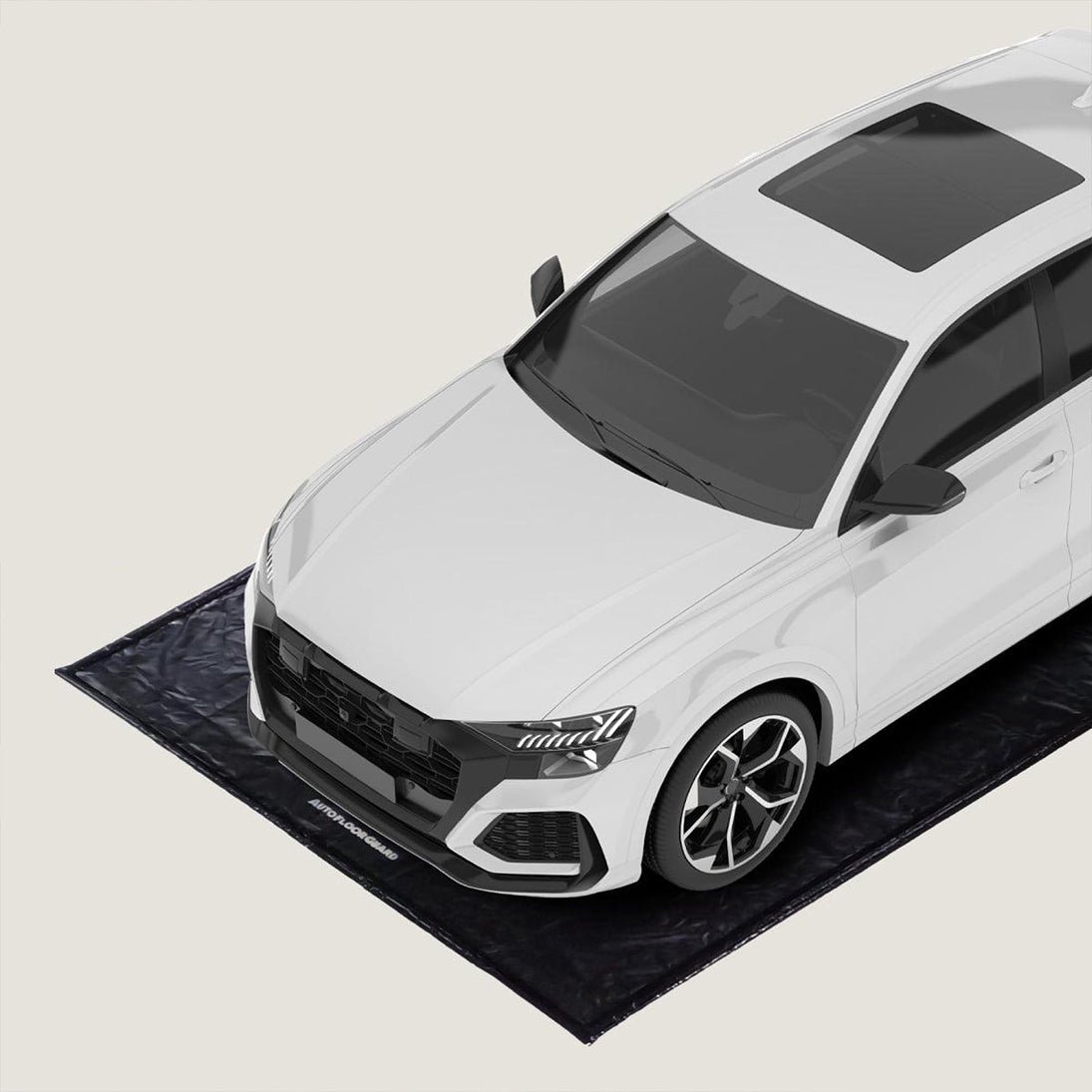 The floorThe best garage floor and containment matsContainment mats hold the snowmelt, absorbent mats wick the drips, and only three makers in the category publish a specification page at all.Read the guide
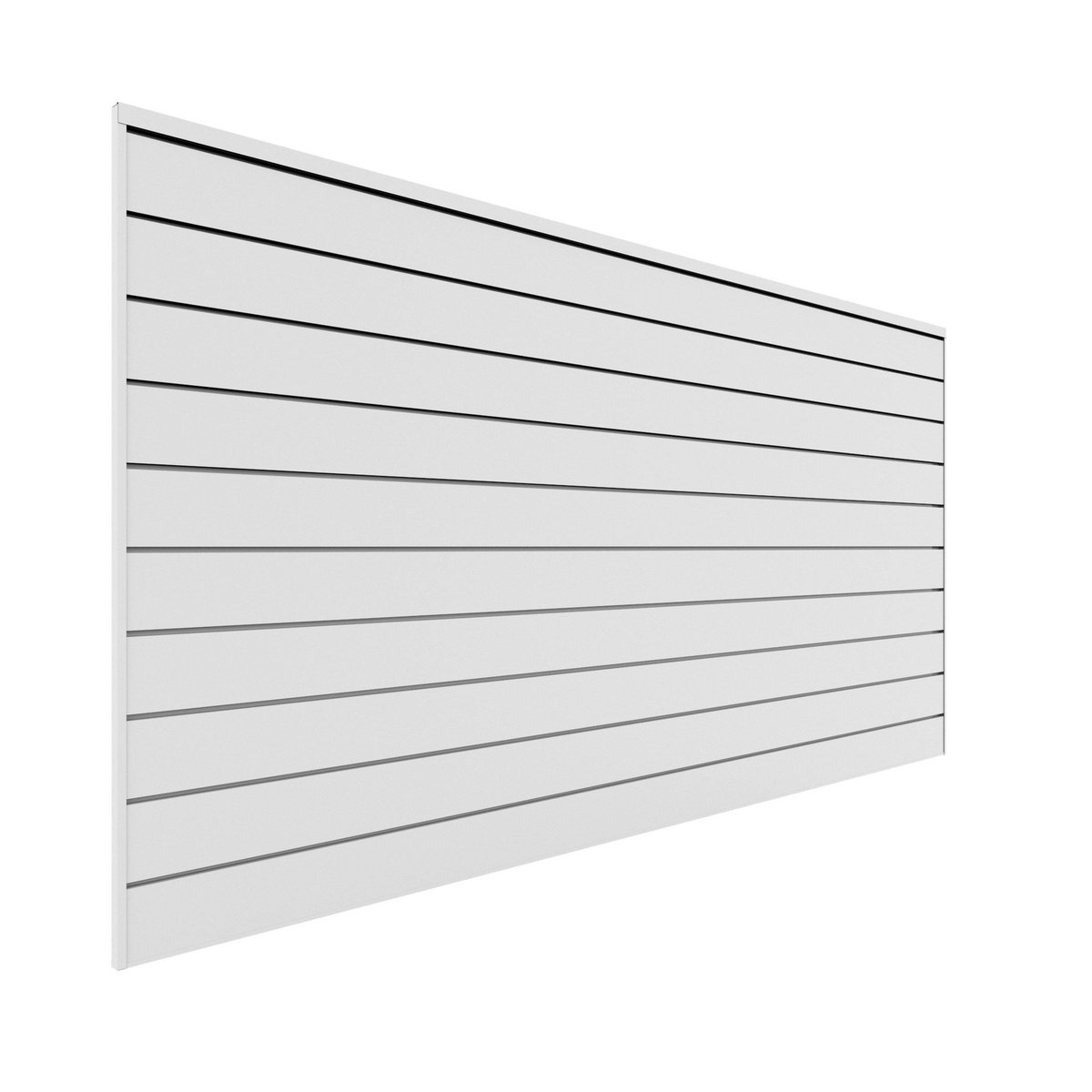 The decisionSlatwall vs track systems for a garage wallTrack is rated per rail, slatwall per square foot, and neither number is what breaks. The hook is, at 25 to 50 pounds.Read the guide
 The decisionOverhead rack vs ceiling hoist750 published pounds with a ladder, or 70 pounds that comes down to you. How often you touch the thing decides it, not the capacity.Read the guide
- FastenersWhat a garage wall anchor actually holdsPublished pull-out numbers for lag screws, toggle bolts and concrete anchors — 121 pounds an inch in framing, 238 in drywall, 1,160 in concrete.Read the guide
- PlanningGarage wall layout by zoneFour height bands, two depth zones, and the order to install in. The weekly band is 36 to 60 inches and it is the most valuable wall in the house.Read the guide
How these guides are made
Every capacity, dimension, hole pitch and warranty term on this site was copied from the manufacturer's own product page, spec table or installation manual. Not from a retailer, not from a search snippet, not from another buying guide. Where a brand publishes nothing, the guide says "not published" instead of filling the gap — and in this category that happens constantly, which is itself the most useful thing a buyer can know.
Three rules follow from that, and they are the whole method:
- The qualifier travels with the number. "800 lb per shelf evenly distributed", "4,000 lb total on leveling feet", "500 lb total on wheels" and "250 lb combined, decking not included" are four different claims. They appear here exactly as the manufacturer wrote them.
- When a brand and a retailer disagree, the brand's number wins and the conflict gets printed. That happened twice in the overhead-rack guide alone.
- No prices, no star ratings, no review counts. Retailers change prices hourly and a stale price is worse than none; the retailer's own page is the only honest source. Guides show a price band instead.
Who writes this
I am Chris Y., and I run this site on my own. I am not a contractor or an engineer, and where a question crosses into structure — roof trusses, unknown framing, anything over a car — the guides say so and tell you to ask someone who is. Corrections are welcome and get made: stackpicksmedia@gmail.com. More on the method and the person is on the about page.