As an Amazon Associate I earn from qualifying purchases. Links marked "at Amazon" are paid links.
How often should you wash your car? A guide by climate
 By Chris Y. · Founder & editor
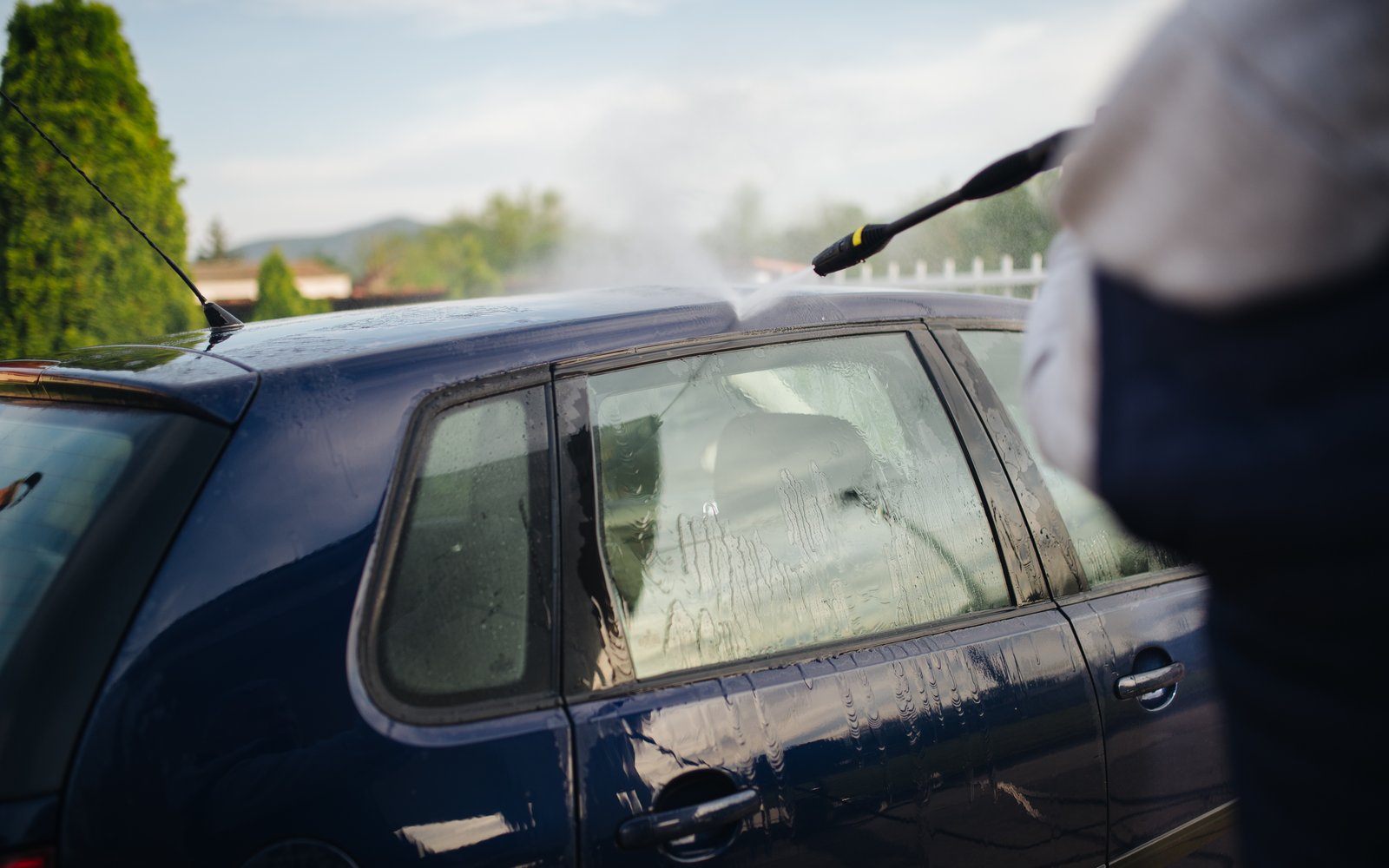
There is one published number worth starting from. AAA's guidance for drivers on salted winter roads is to wash at least every two weeks, and more often after driving on heavily salted roads. AAA also points out the part people miss: salt corrosion is classified as normal wear and tear, so the damage it does is generally not covered by a standard insurance policy.
Manufacturers say the same thing in their own language. Toyota's 2023 Warranty & Maintenance Guide treats operating in areas where road salts or other corrosive materials are used, and living in coastal areas, as severe-service conditions that shorten the inspection interval to every 7,500 miles. Your climate is a maintenance variable, not a detail.
What follows is a schedule by climate rather than a single answer, because a garaged car in Arizona and a daily driver in Minnesota are not doing the same job.
Questions people ask
How often should I wash my car in winter?
AAA recommends at least every two weeks, and more often after driving on heavily salted roads. The priority is the underbody rather than the paint, and AAA specifically suggests using washes with underbody sprays and rinsing loose salt off before washing.
Does rain wash my car?
No. Rain carries whatever is in the air down onto the paint and then evaporates, leaving the dissolved and suspended material behind. A car that has been rained on and dried is measurably dirtier than one that has not, which is why rain never counts as a wash on any of the schedules above.
Can washing a car too often damage the paint?
Washing badly damages paint; washing often does not. The marring people attribute to frequent washing comes from contact with grit, so the fix is technique — a thorough pre-rinse, two buckets with a grit screen, and a plush mitt. The routine is in the swirl-free wash guide on this site.
Is a touchless car wash better than washing by hand?
For an underbody rinse in winter, a commercial wash with an underbody spray does something a driveway cannot. For paint, hand washing with two buckets is gentler than any brush-based automatic wash. Splitting the job that way is a reasonable answer to the salt problem.
Why do coastal cars rust faster?
Airborne salt is present year round rather than seasonally, and it settles on everything including seams and cavities. Toyota treats living in a coastal area as a severe-service condition in the same sentence as road salt, and shortens inspection intervals to every 7,500 miles for both.
How soon do I need to remove bird droppings?
The same day. Droppings are acidic, and in summer heat the clear coat under one can be marked within a couple of days. This is the one job that ignores your wash schedule entirely, along with bug splatter on the front of the car.
The short version
| Climate | Wash interval | The thing that is actually attacking the car |
|---|---|---|
| Salted winter roads | Every two weeks minimum, more after heavy salting | Chloride salts on the underbody, brake lines and suspension |
| Coastal, year round | Every two weeks | Airborne salt, which does not wait for winter |
| Hot and sunny, low rainfall | Every three to four weeks | UV on unprotected clear coat, bird droppings, bugs |
| Temperate, mixed rain | Every three to four weeks | Road film, brake dust, tree sap and pollen in season |
| Dusty, arid or unpaved roads | Every two to three weeks | Abrasive grit sitting on paint and in seals |
| Garaged, low mileage | Every six to eight weeks | Dust bonding, and the wash you skip because it looks clean |
Two things override every row in that table: bird droppings and bug splatter get removed the day you notice them regardless of schedule, because both are acidic and both etch clear coat within days in summer heat. And if the car has been driven through salt, the interval resets from that drive, not from the calendar.
Salt belt: the two-week rule and the underbody
AAA's advice is specific about more than frequency. It recommends prioritizing the undercarriage and using washes with underbody sprays, rinsing loose salt off before washing so you are not dragging it across the paint, and applying a protective coating before winter starts rather than after.
That order matters on a driveway too. The pre-rinse is the step that protects your paint, because the salt crust on the lower panels is abrasive, and a mitt loaded with it is worse than no wash at all. If you wash at home in winter, the practical routine is:
- Rinse the whole car, lower panels and arches first, until the water runs clear.
- Get water into the wheel arches and along the sills. This is where the salt sits and where it is most expensive.
- Then wash normally, top down, two buckets — the swirl-free routine is unchanged in winter.
- Dry, because standing water in freezing weather finds seams and seals.
A home setup cannot reach the underbody the way a drive-through underbody spray can. Using a commercial wash with an underbody rinse a few times a winter and washing by hand the rest of the time is a reasonable split, and it is the one AAA's guidance implies.
Coastal: the salt that never leaves
Coastal air carries salt year round, which is why Toyota lists coastal living alongside road salt as a severe-service condition rather than a regional quirk. There is no season to wait out. The interval that works is the same two weeks, and the emphasis moves from the underbody to everything — salt settles on paint, in door shuts, around light housings and on brightwork.
Protection is worth more here than anywhere else. A sealant or ceramic spray gives the salt a sacrificial layer to sit on instead of the clear coat, and it makes the fortnightly wash faster because contamination releases more easily. The best ceramic spray coatings covers the twenty-minute version of that job.
Hot and sunny: fewer washes, more protection
In a dry, sunny climate the enemy is not deposition, it is ultraviolet light and heat. Paint that is washed monthly and protected twice a year will outlast paint washed weekly and never protected. Three practical points:
- Never wash in direct sun. The rinse water flashes off before you reach it and leaves mineral deposits — the whole mechanism is explained in how to remove water spots from car paint.
- Bird droppings come off today, not at the weekend. In summer heat they can mark clear coat in under 48 hours.
- Bug splatter on the front bumper is acidic and bakes on. A wash every three to four weeks is fine; leaving bugs for three to four weeks is not.
Dusty and arid: the abrasive problem
Fine grit on paint behaves like very light sandpaper the moment anything touches it, including a car cover, a chamois or a hand brushing past. In these climates a two to three week interval is less about dirt and more about not letting a layer of abrasive material sit on the surface between washes, and the technique matters more than the frequency: a generous pre-rinse or a foam layer to lift the grit before any mitt touches the paint.
The foam cannon guide and the cannon versus gun comparison cover the pre-wash step, which is the one that does the most for dusty-climate paint.
Temperate and mixed: the default
Three to four weeks is the sensible default for most of the country most of the year. Rain does not wash a car; it deposits whatever was in the air onto the paint and then evaporates, leaving it there. A car that has been rained on is dirtier than one that has not.
The seasonal exceptions are worth putting in a calendar: tree sap and pollen in spring, and the first salted road of the year in autumn, which is the moment the two-week clock starts.
Garaged and low mileage: the wash people skip
A garage-kept car that does two thousand miles a year still needs washing every six to eight weeks. Dust bonds to paint over time, and dust plus condensation is the mechanism. The good news is that these washes are quick and the risk of marring is at its lowest, because there is very little abrasive material to drag.
What the schedule is really protecting
It is easy to read wash frequency as a cosmetic question. AAA frames it the other way: road salt weakens brake lines and suspension components, the corrosion is classified as normal wear and tear, and the repair is usually not covered by insurance. Toyota's own maintenance schedule shortens inspection intervals to every 7,500 miles for cars in salted or coastal environments. The wash is maintenance that happens to also make the car look good.
If you take one number from this page, take AAA's: at least every two weeks in salt, and more after a heavy salting. Everywhere else, three to four weeks, and today for anything acidic.