As an Amazon Associate I earn from qualifying purchases.
How to build a home office in the corner of a room
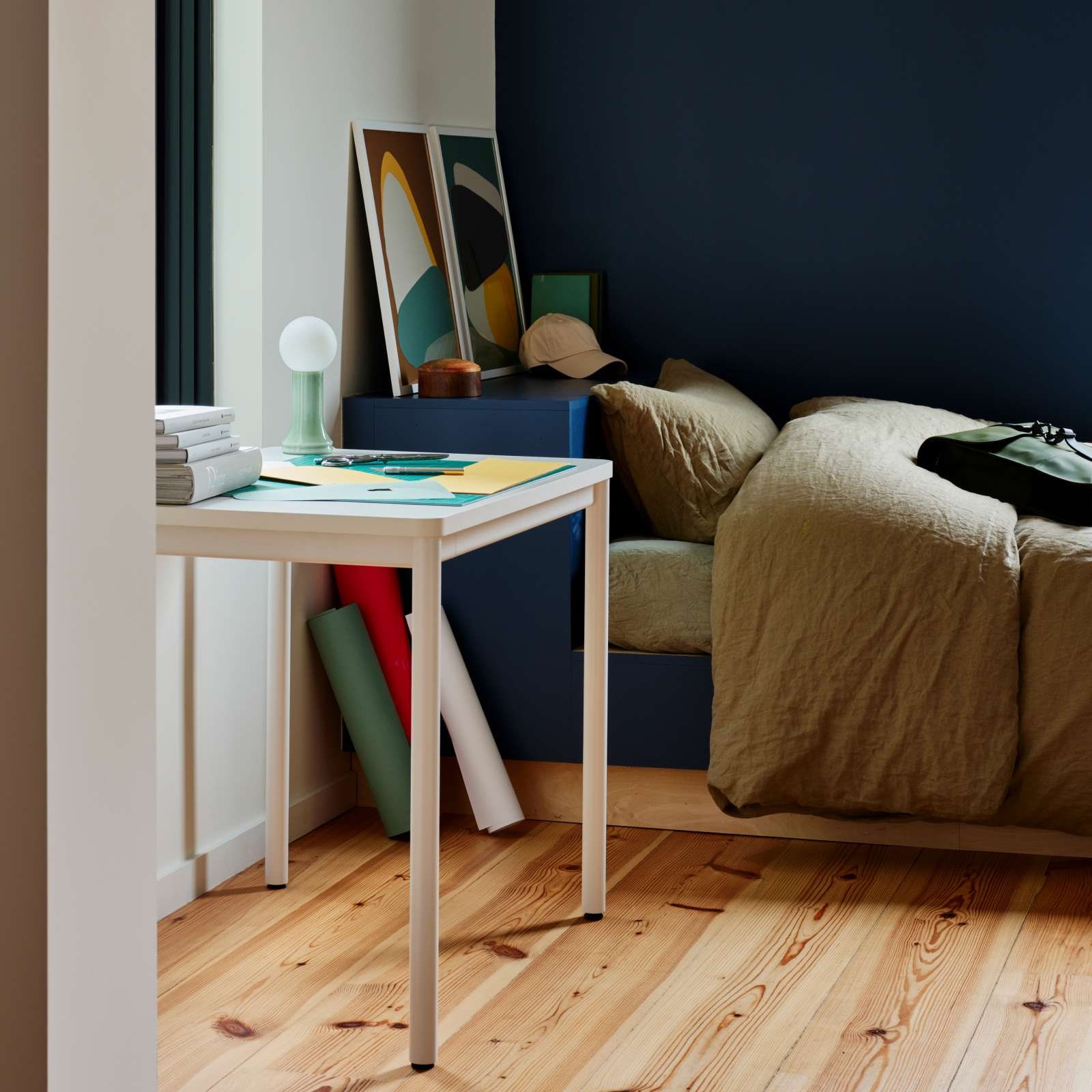
Most home-office advice is written for a spare room. This site is for the other case: a corner of a bedroom, a studio flat, an alcove between a window and a door, where the binding constraint is almost never money and almost always inches.
Start with how to measure a small workspace. It takes ten minutes with a tape and it is the guide that decides every other purchase — how deep the desk can be, whether your screen will sit far enough away, whether the chair fits underneath, and whether the shelf above has to come down.
Every specification on this site comes from the manufacturer's own product page, and every source is linked at the bottom of the guide that uses it. Where a maker publishes nothing, the table says "not published" rather than an invented number. No prices are printed here, because retailers change them hourly and a stale figure is worse than none.
The guides
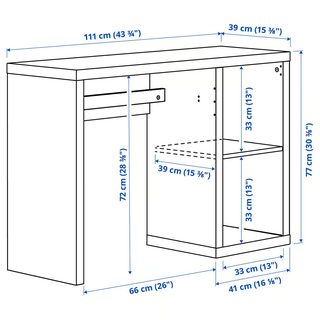 Measure firstHow to measure a small workspace before you buy anythingFour numbers, ten minutes and a tape: room depth, monitor distance, knee clearance and the space above the desk. The guide that decides all the others.Read the guide
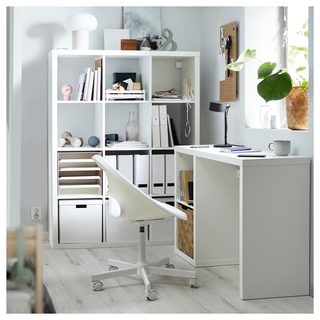 DesksThe best compact desks for small apartmentsSix desks sorted by published depth, from 15⅜ inches upward, with knee clearance and load ratings where the makers publish them.Read the guide
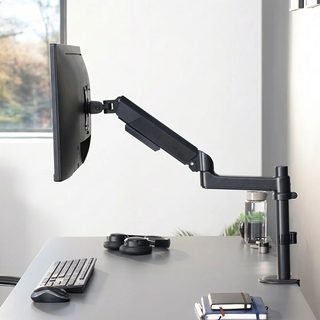 ScreensThe best monitor arms for a small deskOn a shallow desk an arm is not an accessory, it is depth you buy back. Six arms compared on published reach, weight window and clamp footprint.Read the guide
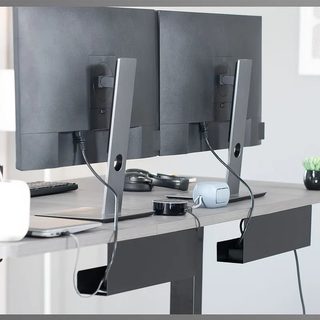 CablesThe best under-desk cable managementSix trays, boxes and spines compared on capacity, fixing method and how far each one hangs into your knee space.Read the guide
 LightThe best desk lamps for small desksSix lamps judged on how much desk each one takes — three use none at all — and on what each maker actually publishes for output.Read the guide
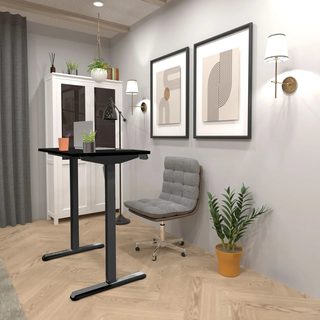 DecideStanding desk vs desk converter: which one a small room wantsA converter fits the desk you own and never gives the depth back. A desk replaces the furniture — and here, costs less. Four products, one decision.Read the guide
How these guides are made
Every figure is quoted from the manufacturer's own product page or dimensioned drawing. Nothing is taken from a retailer's copy, and where two of a maker's own pages disagree — as Mount-It!'s do about one monitor arm's reach — both figures are printed and the conservative one is used.
Products are compared against one situation: a desk between 15 and 24 inches deep in a room where the floor in front of it is a walkway rather than an office. That is why depth is the first column in most of the tables here and price is nearly the last.
Price bands describe where a product sits relative to the others on its own page, checked against live retail pages on the date at the top of each guide. They are not a claim about what anything costs next week.
We earn a commission when you buy through a link here — see the affiliate disclosure. Several picks link to a brand's own store instead of a marketplace, and some of those earn nothing; they are there because that is the honest place to buy that product.