Both of these remove bonded fallout that a wash leaves behind. The difference is what each one costs you when it goes wrong. Drop a clay bar on the driveway and it is finished — you bin an 80 gram bar. Use a clay mitt on paint you are not going to polish afterwards and you may have to look at light marring until you do.
Adam's makes both of the products below and is unusually blunt about the second one: it states that the Clay Mitt is a medium grade that can leave light micro-marring, and that the mitt is ideal if you are planning a full machine polish afterwards. That single sentence is the whole decision.
Buy the Visco Clay Bar if the car is not getting polished. Buy the Clay Mitt if it is, or if you are doing several cars and the 20 to 40 published uses matter more than the last few percent of gentleness.
How to shop for a clay tool
What happens when you drop it
The bar is done: it has picked up grit that will scratch the next panel, and there is no way to clean it. The mitt is rinsed under a tap with your hands and carried on with. On a real driveway this happens more often than anyone plans for.
How long the job takes
A bar is worked in small sections with a folded face that has to be re-kneaded as it clogs. A mitt covers far more area per pass and does not need kneading, which is the difference between an afternoon and an hour on a mid-size car.
Whether it marks the paint
Adam's rates the Visco bar as safe on delicate clear coat and says it removes contamination without causing damage. For the mitt, the same maker warns of potential light micro-marring to be corrected by polishing. Two products, one brand, two honest and different claims.
Cost per car over time
The bar is a consumable with an 80 gram weight printed on it. The mitt publishes 20 to 40 uses. Over three years of twice-yearly decontamination the mitt is the cheaper tool by a wide margin — if it survives as claimed.
Gentler, and the default
Image: Adam's Polishes
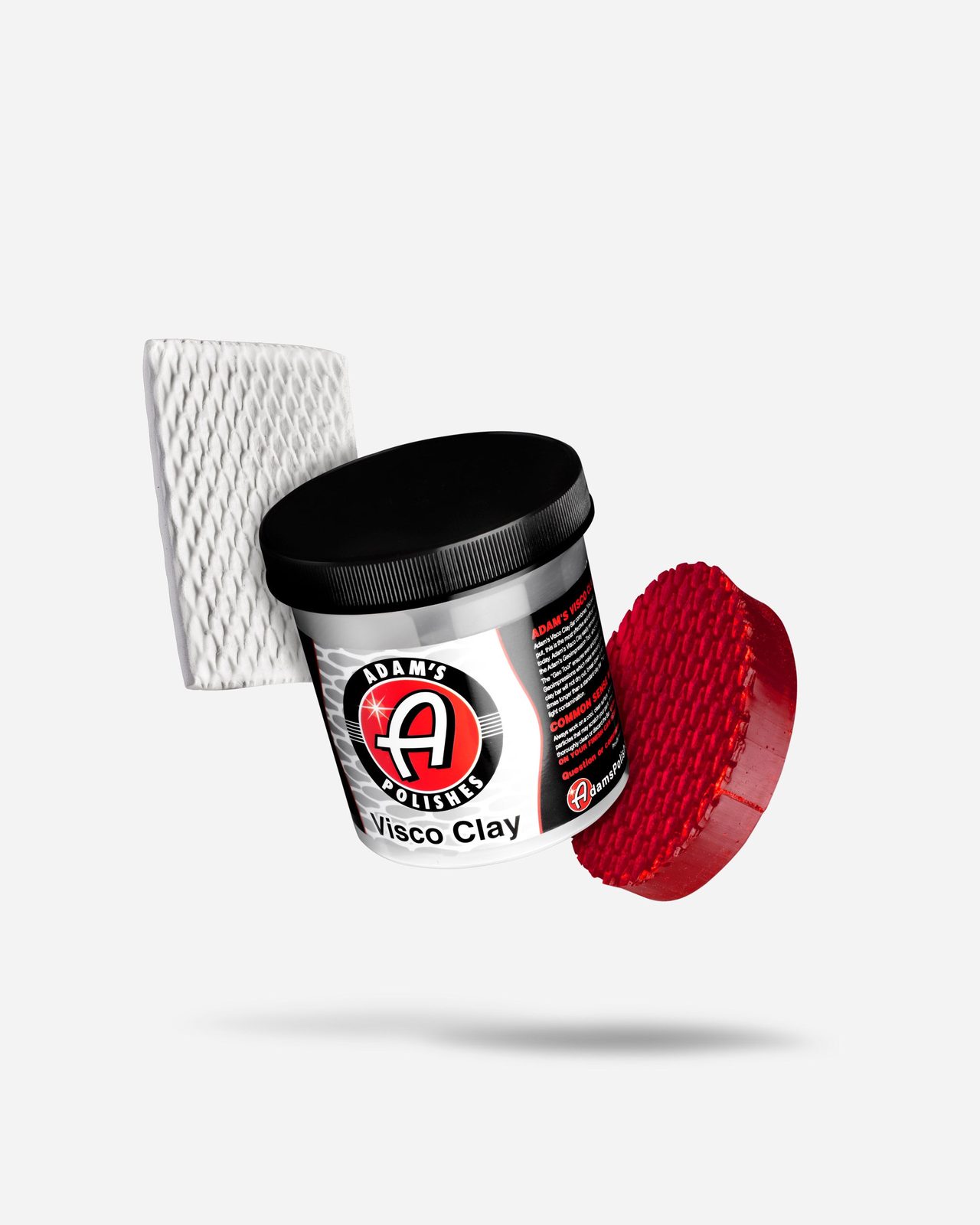
Adam's Visco Clay Bar
80 g, one drop from the bin
Form
Clay bar + tool
Size
80 g
Reuse
Knead; discard if dropped
Model
CLY1000
Reasons to buy
Adam's describes it as safe on even the most delicate clear coat and as removing contamination without causing damage, which is a materially different claim from the mitt's
The geoimpression tool holds the clay off your fingers and re-presses a fresh working pattern into it when the face clogs
80 g is published, and a bar this size handles several cars if you keep it off the floor
Ships in a jar, and Adam's states it will not dry out or break down between uses
Sold as a bare refill once you own the tool, so the repeat purchase is cheaper than the first
Reasons to avoid
One contact with the ground and the bar is waste — there is no recovery step
Slow: small sections, frequent re-kneading, and a folded face that clogs on a genuinely dirty car
This is the right tool for the common case, which is a person decontaminating their own car twice a year and then putting a sealant or a ceramic spray on it. Nothing follows to correct marring, so the gentler option is the correct one, and Adam's says in its own words that this bar does not cause damage.
The tool is what makes it worth the money over a plain bar. Clay is soft and wet and the floor is always right there.
Not the right fit if you are doing several cars or polishing afterwards — the Clay Mitt covers ground far faster.
20 to 40 uses is published, the only reuse figure anyone in this category prints, and it is what makes the mitt cheaper per car than any bar
The larger working face covers far more area per pass than a folded bar, which is the difference between an afternoon and an hour
Rinses clean under running water with your hands, so dropping it costs you nothing
Medium grade cuts through bonded fallout that a light bar will skate over
Rated by Adam's for paint, wheels, glass and chrome, so one tool covers the windshield as well
Reasons to avoid
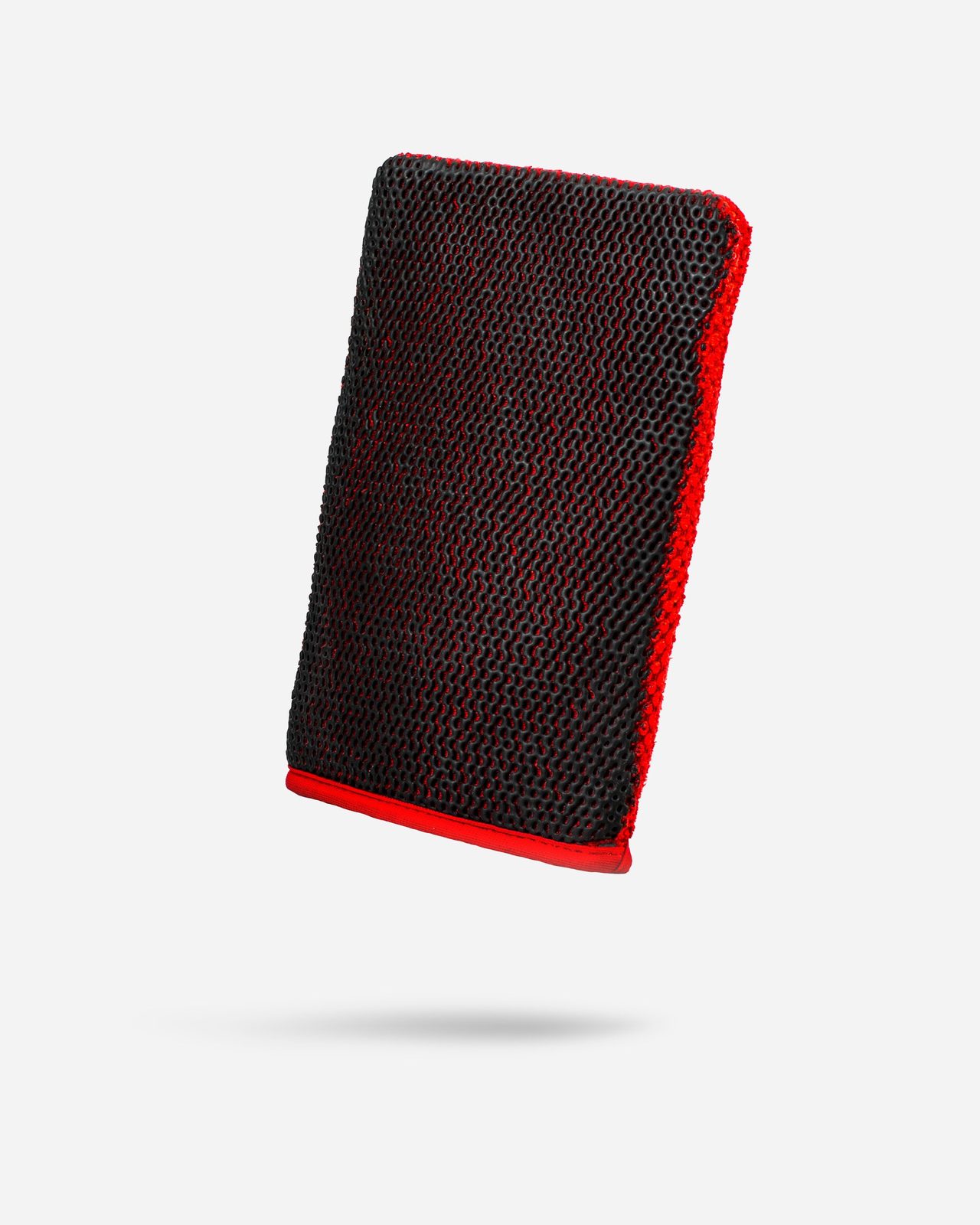
Adam's states it could potentially leave light micro-marring that would then be corrected when polishing — this is a step before a polish, not a final step
No published dimensions, so the working face size is unknown until it arrives
Still needs a lubricant, and Adam's specifies its own Detail Spray as the preferred one
The mitt is the professional's shortcut and it should be bought as one. If a machine polish follows, the marring Adam's warns about is corrected in the same session and you have saved hours. If no polish follows, you have traded bonded fallout for fine marring, which is not obviously a good trade.
The published 20 to 40 uses is the number that makes it worth owning. Nothing else in the category will tell you how long it lasts.
Not the right fit if you are not polishing the car afterwards — take the Visco bar and accept the extra time.
Neither product has been used on a car by us. Every figure and every claim above is quoted from Adam's own product pages, which are linked in Sources.
The two products are compared on one job: decontaminating a mid-size sedan whose paint feels rough through a plastic bag after a normal two-bucket wash, using a spray lubricant, on a driveway.
Where the maker's own wording differs between the two products — damage-free for one, potential micro-marring for the other — that wording is quoted rather than smoothed over, because it is the reason this comparison exists.
Price bands were checked against the price behind each button on the date above. The two products are within a couple of dollars of each other, so price is not the deciding factor here.
The verdict
Buy the Adam's Visco Clay Bar if this is the last step before wax, sealant or a ceramic spray. Its maker says it removes contamination without causing damage, and nothing is coming afterwards to fix marring.
Buy the Adam's Clay Mitt if a machine polish follows, or if you are doing several cars. The published 20 to 40 uses makes it the cheaper tool over time, and the marring its maker warns about disappears in the polish you were doing anyway.
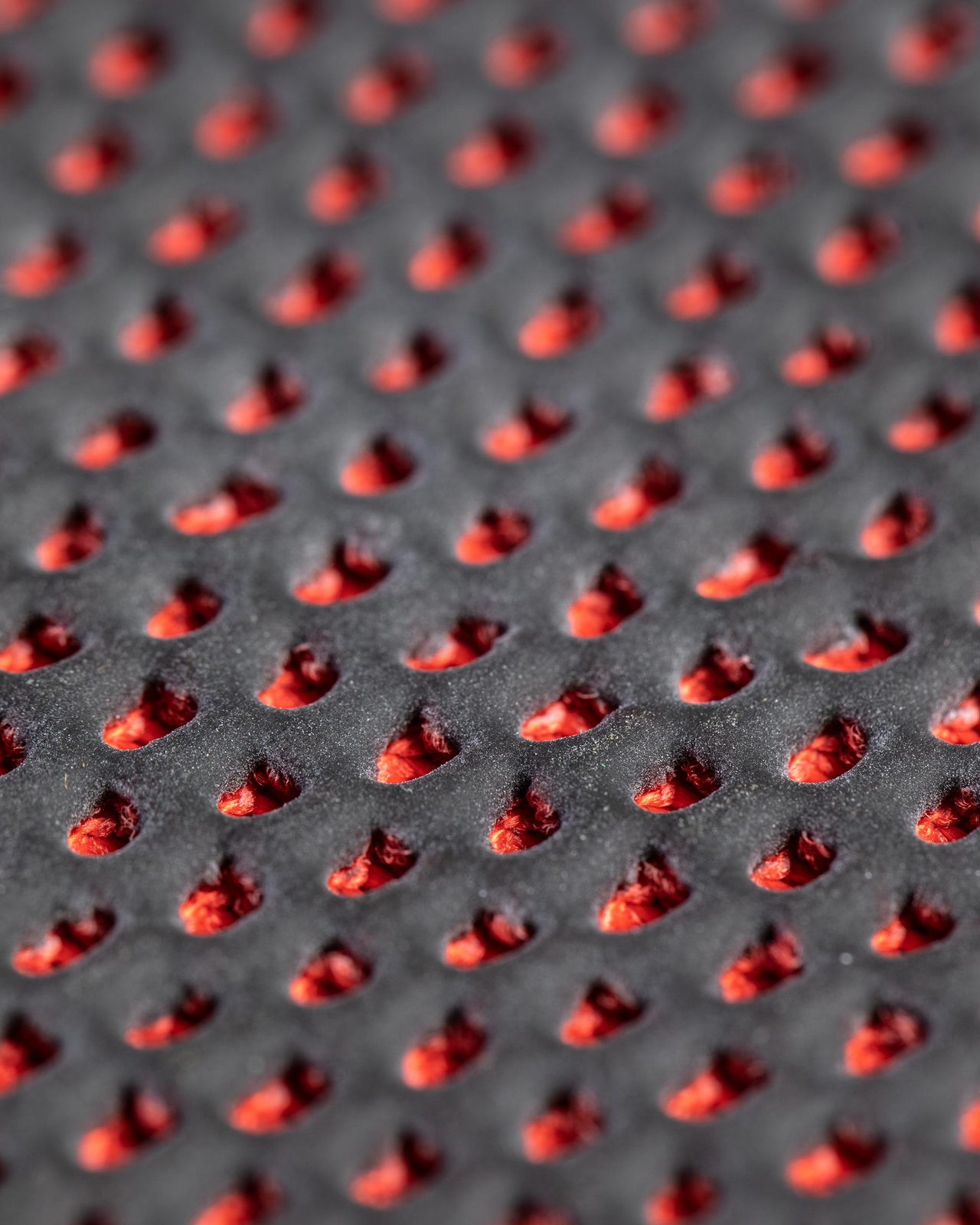
Adam's says its Clay Mitt is a medium grade, slightly more aggressive than its Visco Clay Bar, and that it could potentially leave light micro-marring. Both remove the same contamination; the mitt does it faster and leaves more behind to correct.
How many cars will one clay bar do?
Adam's publishes 80 g for the Visco bar, Chemical Guys publishes 100 g for its OG bar, and both are enough for several cars if the bar stays off the ground. In practice the limiting factor is not the clay running out, it is the bar being dropped.
Can I use a clay mitt on glass and wheels?
Adam's rates its Clay Mitt for paint, glass, wheels and chrome. Bonded fallout on a windshield is what causes the wiper judder people blame on their blades, and it responds to claying the same way paint does.
Do I need to polish after claying?
After a light-grade bar, usually not. After a medium-grade mitt, Adam's own wording assumes you will. Plan the polish before you choose the tool rather than the other way round.
What lubricant should I use?
A detail spray or a dedicated clay lubricant, generously, so the surface never goes dry under the tool. Adam's names its own Detail Spray as the preferred lubricant for the Clay Mitt. Claying dry is the mistake that causes real damage, with either tool.