Buy the Baratza Encore. A 40 mm conical steel burr with 40 stepped settings is the one upgrade that makes every other piece of coffee equipment in the house work better, and it is the gift a coffee person keeps for a decade.
Coffee gifts fail in a predictable way. The giver buys the machine, the machine needs a grinder the recipient does not own, and the box goes in the cupboard. Each of the ten picks below is ranked on what its maker publishes — burr diameter, heat-up time, tank size, footprint — and each names what it still needs before it can make a cup. Where that missing piece is cheap and specific, it is ranked here too.
If the person already grinds their own beans, skip to the Bambino for espresso or the Stagg EKG Pro for pour-over. On a small budget the Hario V60 02 is the pick that gets used every morning.
How to shop for a coffee gift
What it still needs before it works
A pump espresso machine without a grinder is an ornament. Every pick names the missing piece in its spec block, so the gift is not half a gift.
Burr diameter and settings, not "professional grade"
Grinders are sold on adjectives and bought on burrs. The two here publish 40 mm and 38 mm conical steel, with 40 stepped settings and 30 clicks per rotation. Those numbers predict how the coffee tastes.
Counter footprint in inches
Expensive coffee gear ends up in a cupboard because it does not fit under the upper cabinets. Standard clearance is about 18 inches, so anything over 15 inches tall becomes a lift-out-and-put-back chore.
What breaks, and whether you can replace it
Glass carafes crack, filters are consumable, burrs wear. Two of these makers publish replacement parts beside the product, which is the difference between a ten-year gift and a two-year one.
Best overall
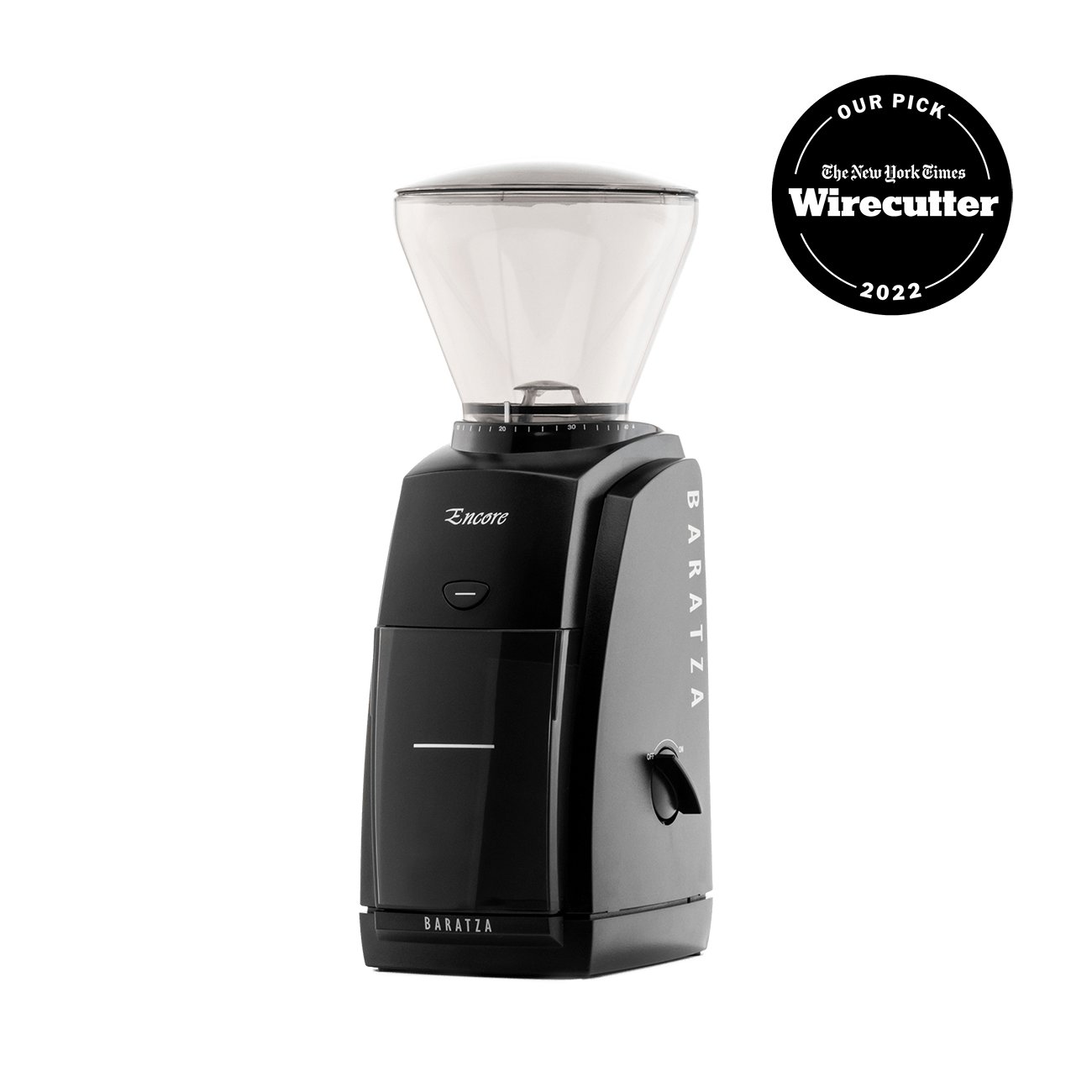
Image: Baratza
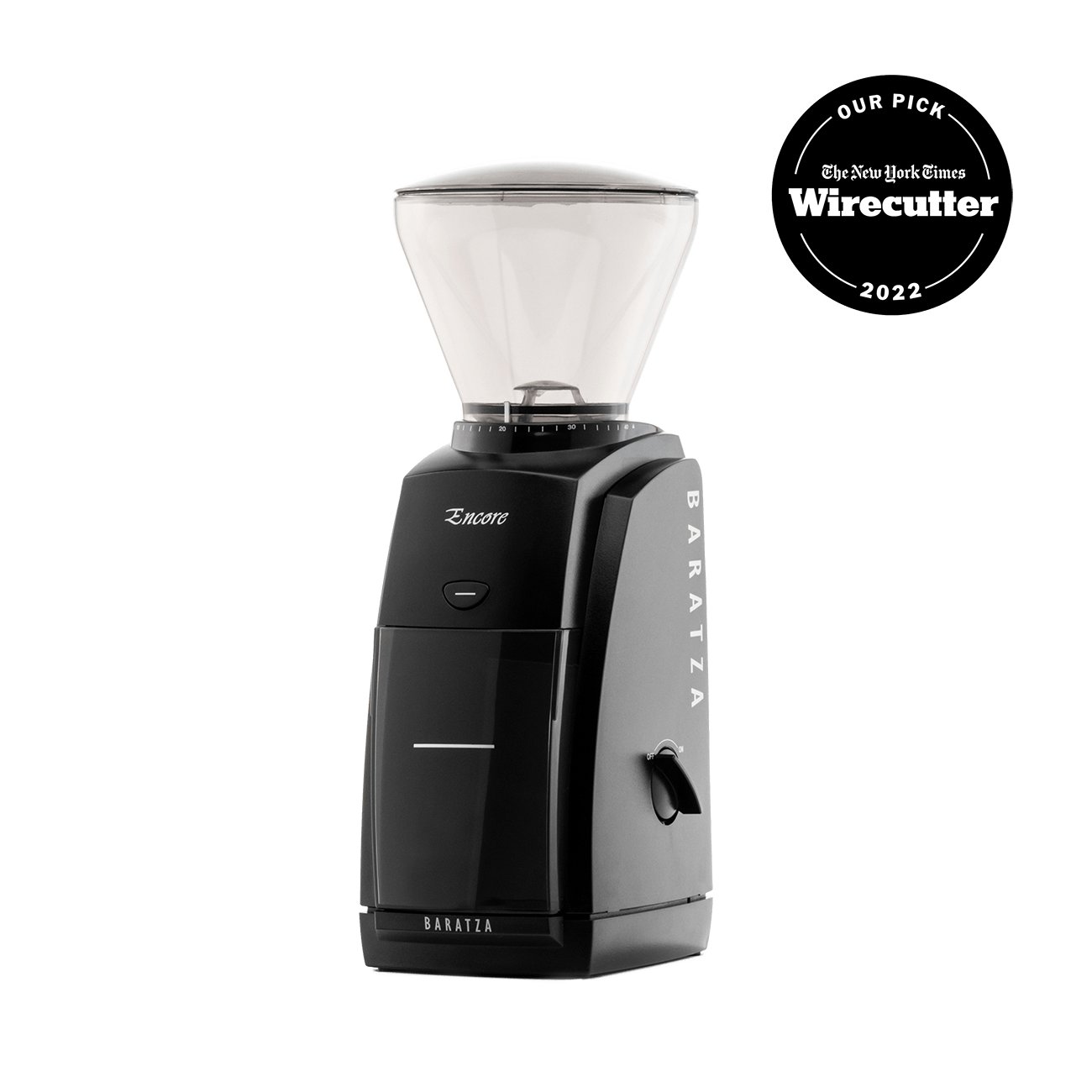
Baratza Encore
40 grind settings, and 70 W of patience
Capacity
300 g hopper, 120 g bin
Dimensions
13 × 15 × 34 cm
Power
70 W
Also needs
Nothing
Reasons to buy
40 mm conical steel burrs, the size at which a grinder stops producing the dust-and-boulders mix a blade makes
40 stepped settings from French press to drip, so one grinder serves whatever brewer is on the counter
Baratza publishes parts diagrams and sells replacement burrs, which is why these turn up second-hand still working
Reasons to avoid
Stepped settings cannot be fine-tuned between clicks, and the finest one is marginal for espresso
Buy this first for anyone who owns a coffee machine and a blade grinder: it makes their existing machine taste like a different machine. 70 W and 40 mm burrs are the point at which grind consistency stops limiting a home cup.
Not the right fit if they pull espresso — the Timemore C3 ESP goes finer.
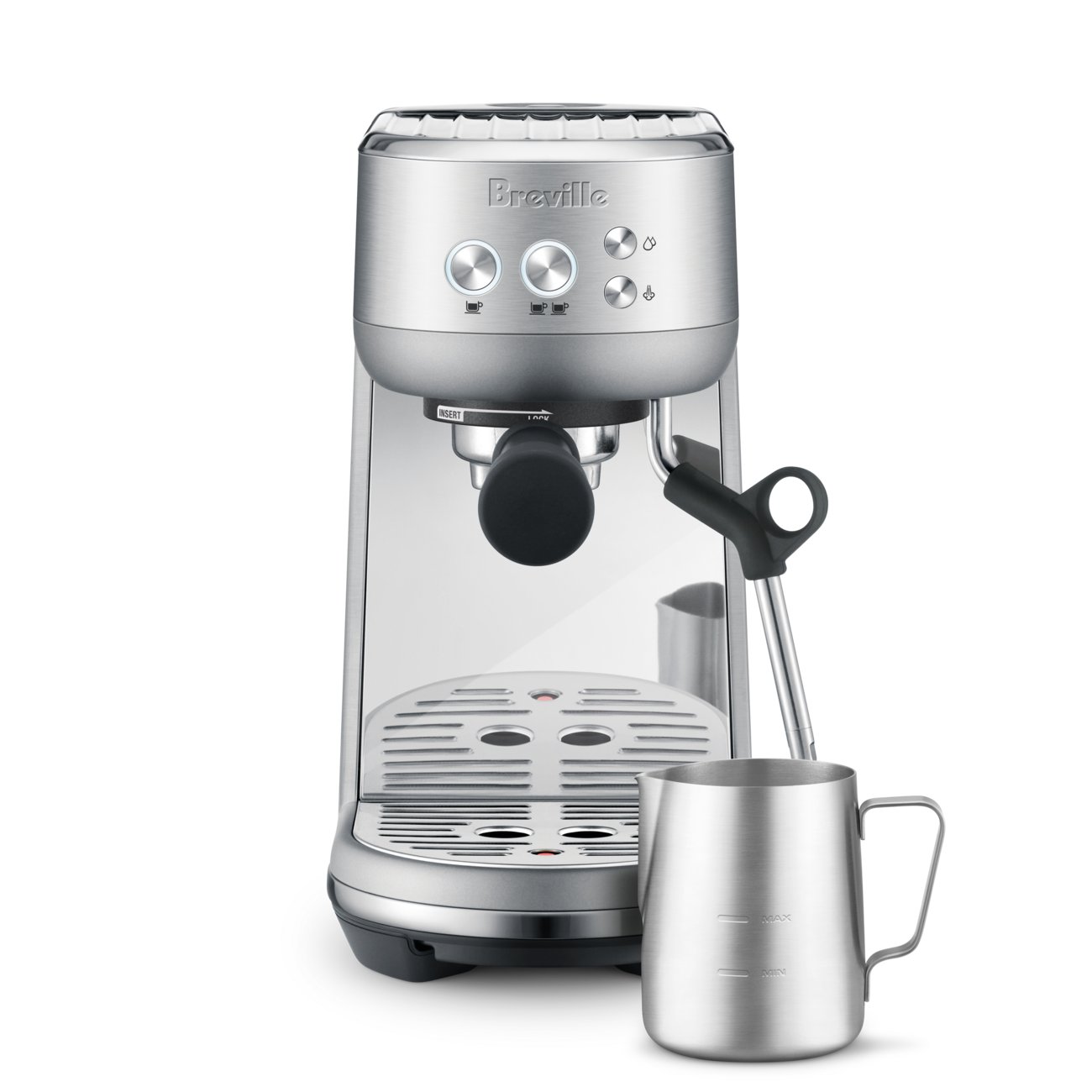
Breville publishes a 3-second ThermoJet heat-up, which removes the biggest reason home espresso machines get abandoned
6.1 inches wide is narrower than a dinner plate, so it fits a counter that could not take a full setup
54 mm portafilter and a 15 bar pump — the same basket size as Breville's dearer machines, so accessories carry over
Reasons to avoid
No grinder, and supermarket pre-ground will make it taste worse than a drip machine — budget for the Encore above
Breville's published 3-second heat-up is the number that matters, because the machines that die in cupboards ask for fifteen minutes of warm-up first. At 11.9 by 6.1 inches it is small enough to leave out, and a machine left out is used.
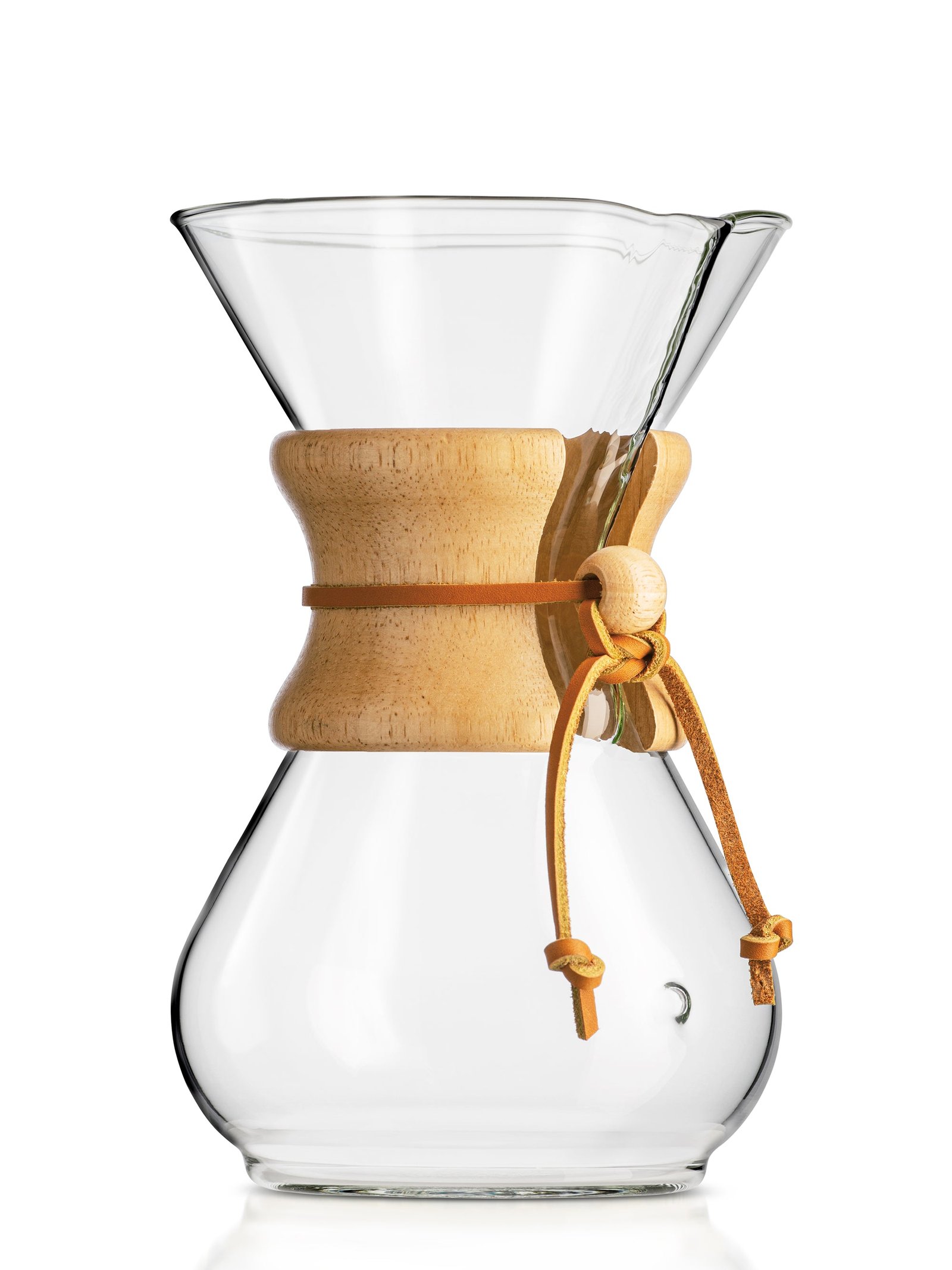
Not the right fit if nobody wants a second appliance — the Chemex lives in a drawer.
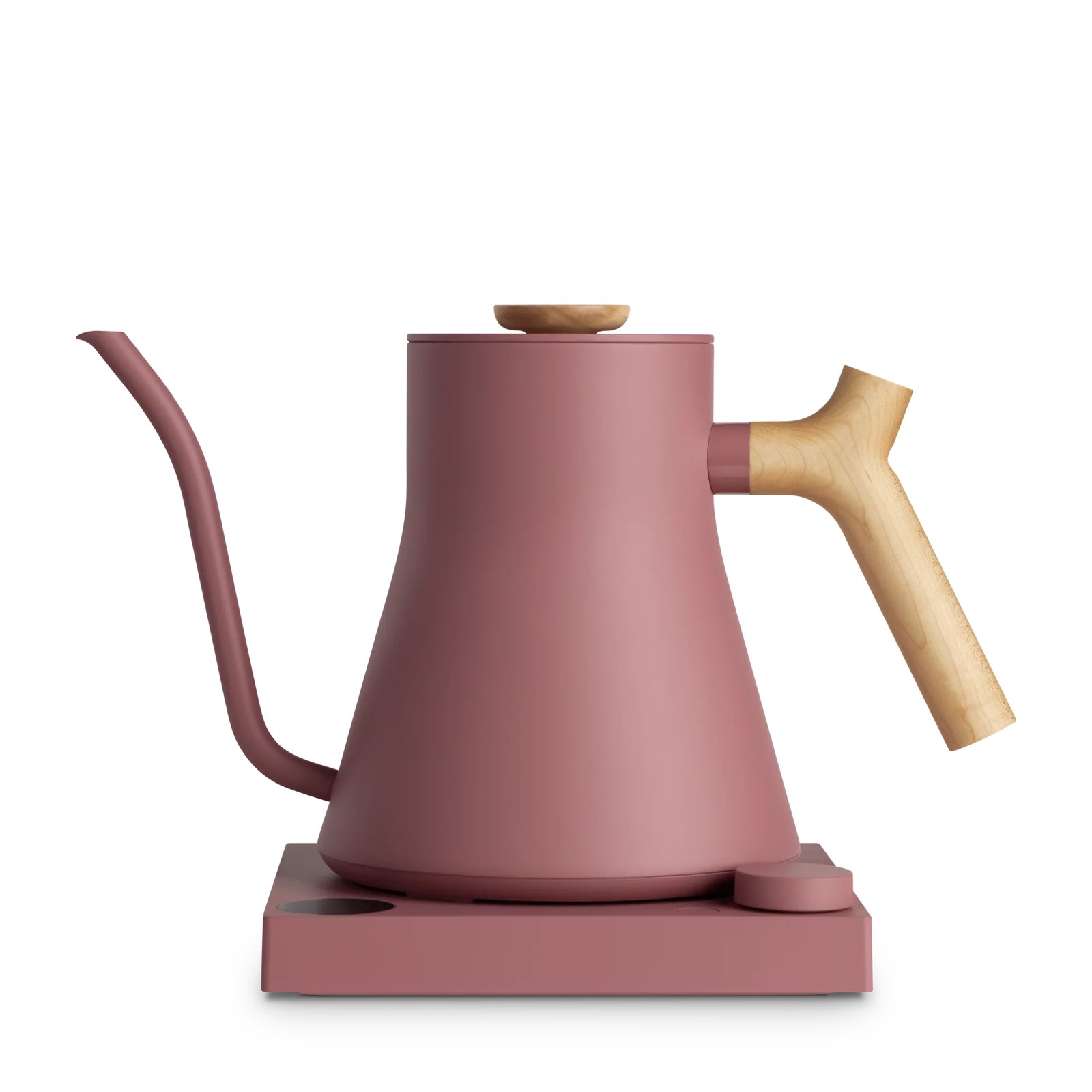
Temperature set to the degree between 104 and 212 °F, the control every pour-over guide asks for and few kettles have
The gooseneck pours a pencil-thin stream you can aim instead of dumping water through the bed
A brew timer in the base, so nobody holds a phone over a hot kettle
Reasons to avoid
The most expensive way to boil 30 ounces of water; a plain kettle and a thermometer get most of the way
For someone already making pour-over from a saucepan or a kettle they resent. Control to the degree between 104 and 212 °F is genuinely useful, and the gooseneck is the difference between a pour and a flood.
Not the right fit if they own no dripper yet — start with the Hario V60 02.
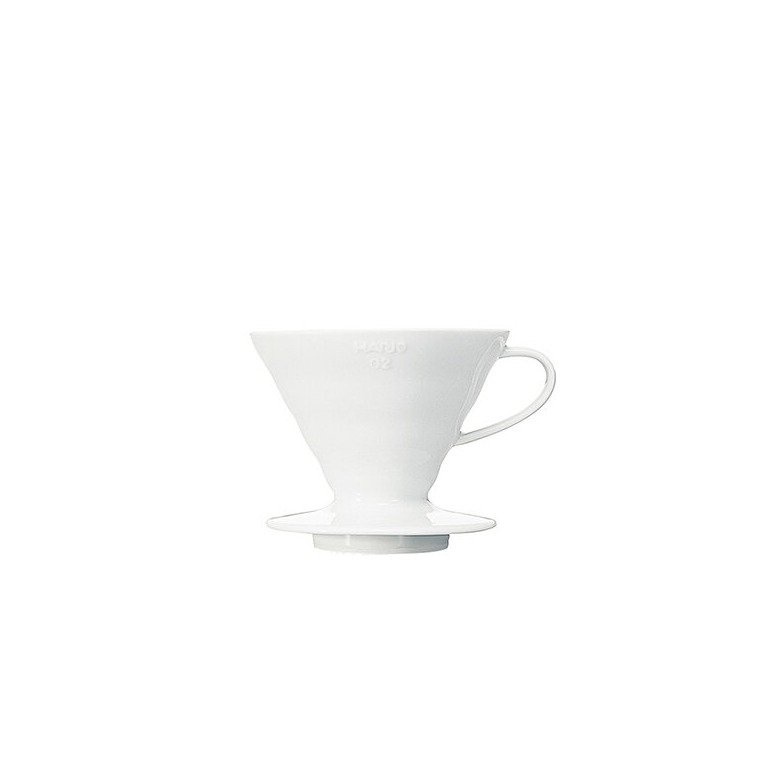
The cheapest pick here by a distance, and the one most likely to be used every morning for years
Porcelain holds heat better than plastic, which matters most on the 1-to-2-cup brews people make on a weekday
Nothing to break or plug in, nothing to learn beyond "pour slowly", and it fits in a suitcase
Reasons to avoid
Ceramic chips if it goes in a full sink, and a chipped cone does not sit flat
It needs Hario-shaped 02 filters; flat-bottom filters do not fit the cone
If you know they like coffee but not what they own, this is the safest good gift here. It works with any kettle, costs less than a bag of good beans, and the 1-to-4-cup range covers how most people drink at home.
Not the right fit if they want to walk away while it brews — the Moccamaster does that.
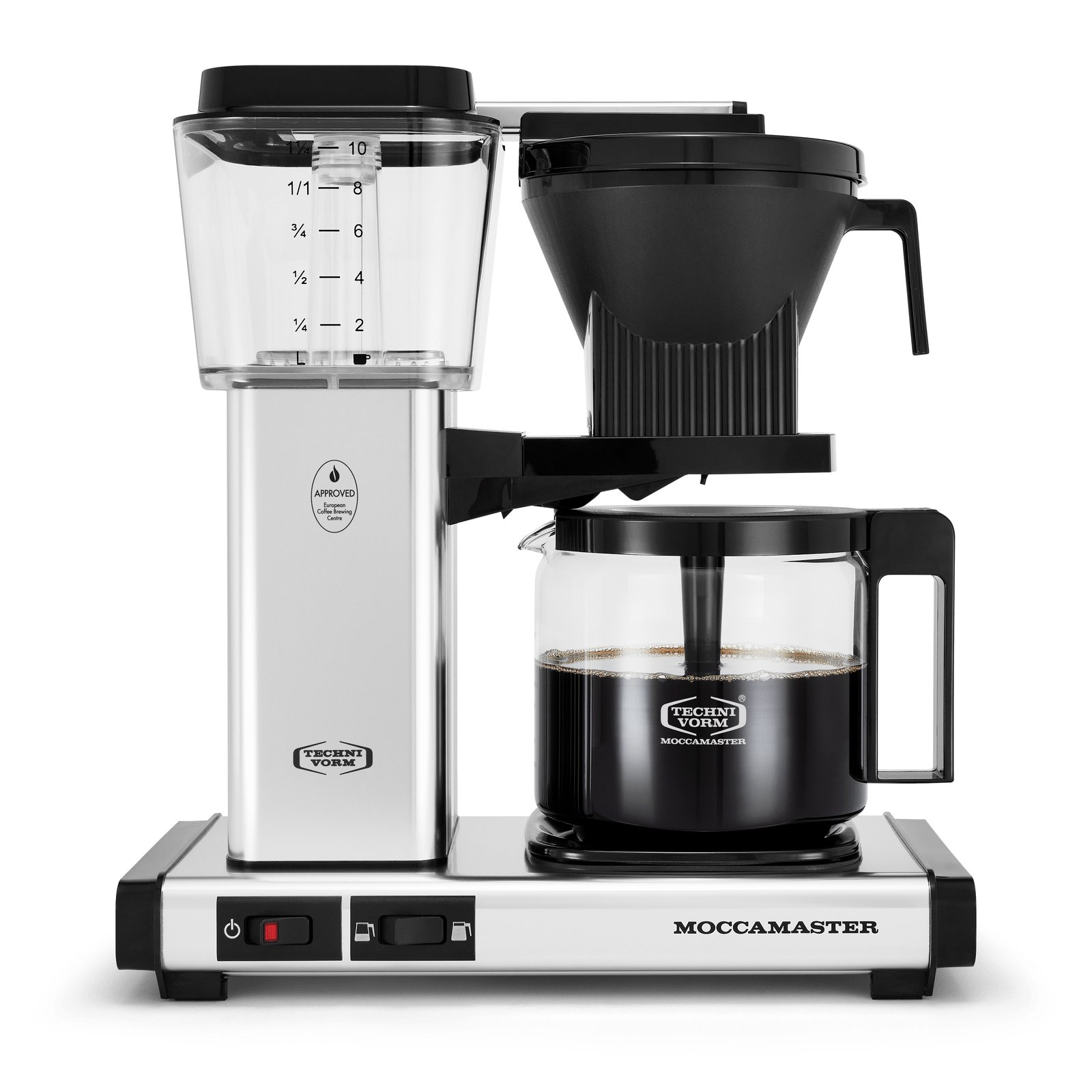
40 oz in one cycle, and 14 inches of counter height
Capacity
40 oz / 10 cups
Dimensions
14.00 in high, 12.75 × 6.50 in footprint
Power
1475 W
Also needs
#4 paper filters
Reasons to buy
1475 W into a copper element holds brew temperature through a full 40 oz cycle instead of sagging halfway
A half-carafe setting, which is the feature that stops a ten-cup machine being useless on a Tuesday
Technivorm publishes a parts list; the carafe, lid and filter holder are all replaceable
Reasons to avoid
No timer at all, so there is no coffee waiting when they wake up
Buy this when the budget is real and the person drinks drip coffee daily. The number that justifies it is 1475 W across a 40 oz cycle: cheap machines lose brew temperature as the tank empties, which is why their last cup tastes different from the first.
Not the right fit if they want coffee ready before they wake — nothing here has a timer.
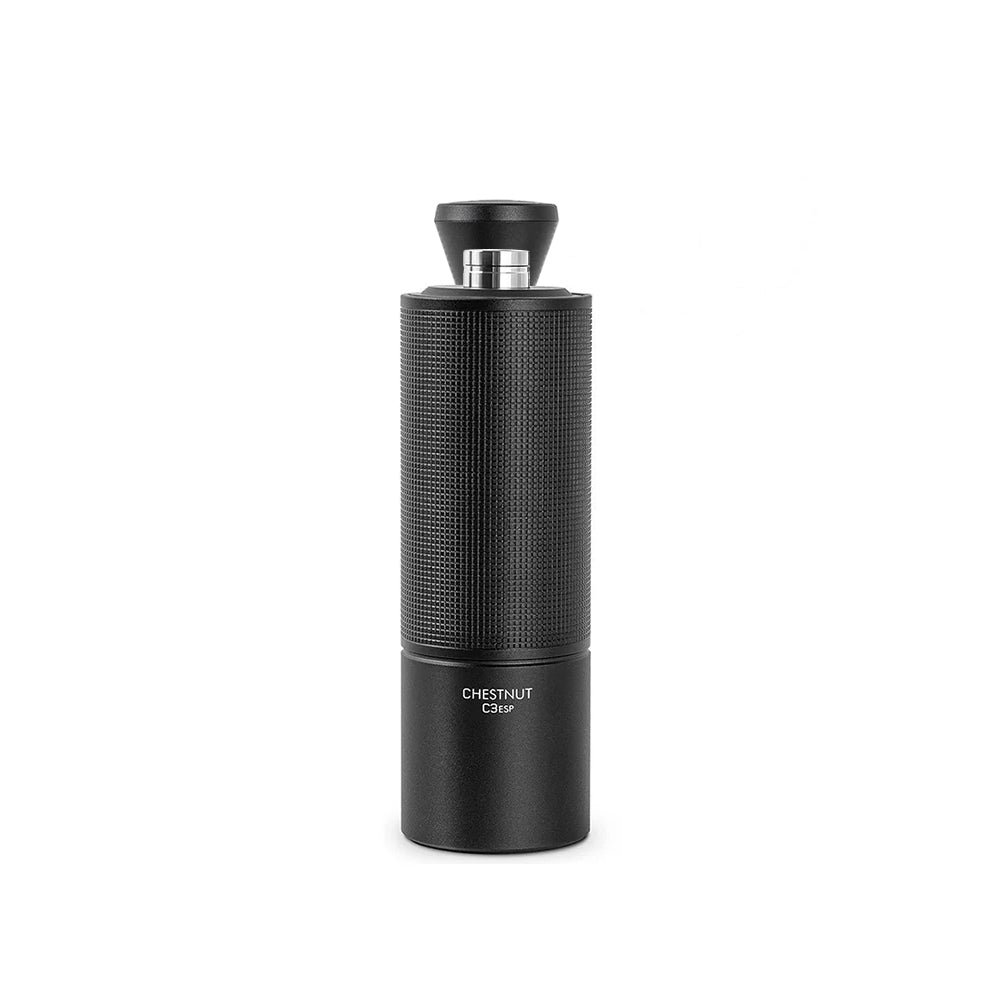
38 mm S2C660 conical steel burrs, a size normally found in electric machines two price bands up
30 clicks per rotation at 0.0233 mm each, fine enough for espresso, which most hand grinders here are not
It takes no counter space and travels in a carry-on, so it suits a small kitchen or a rental
Reasons to avoid
20 g per fill means two back-to-back grinds for a full pot, and it is your arm doing the work
A hand grinder suits a specific person: someone with no counter space, someone who travels, someone who wants espresso-capable grind without an electric grinder's price. At 0.0233 mm per click the espresso dial is a real adjustment range rather than a marketing number.
Not the right fit if they make a full pot daily — the Baratza Encore does it in one go.
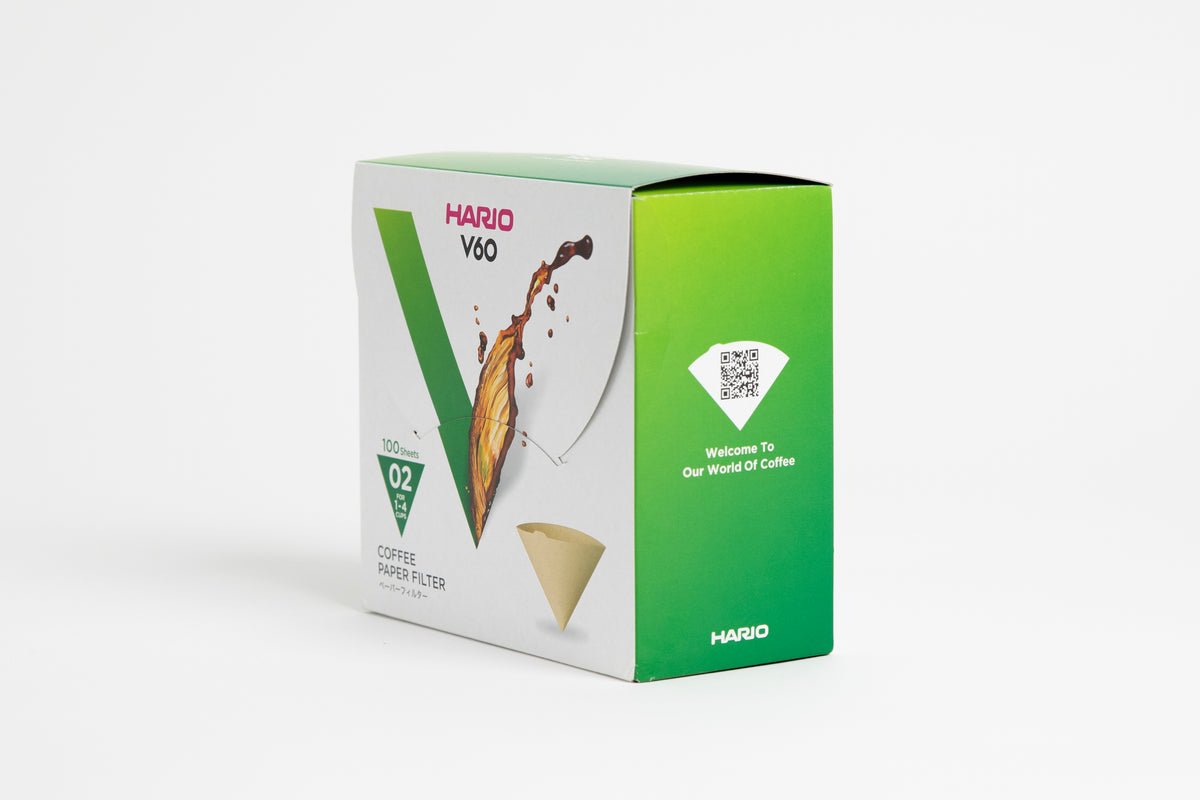
The V60 cone takes a filter cut to its shape; a flat-bottom one folded into it channels water down one side
A hundred filters is about four months of a daily cup, so the dripper does not go idle in week two
Hario sells the same filter in 40- and 100-count boxes, in white and unbleached
Reasons to avoid
On its own it is a box of paper, so it is a gift only alongside the dripper
The dripper above is the cheapest good gift here and cannot be used on the morning it is opened without this. Wrapping the two together is the difference between a present and a homework assignment.
Not the right fit if they brew flat-bottom — that shape takes a different filter.
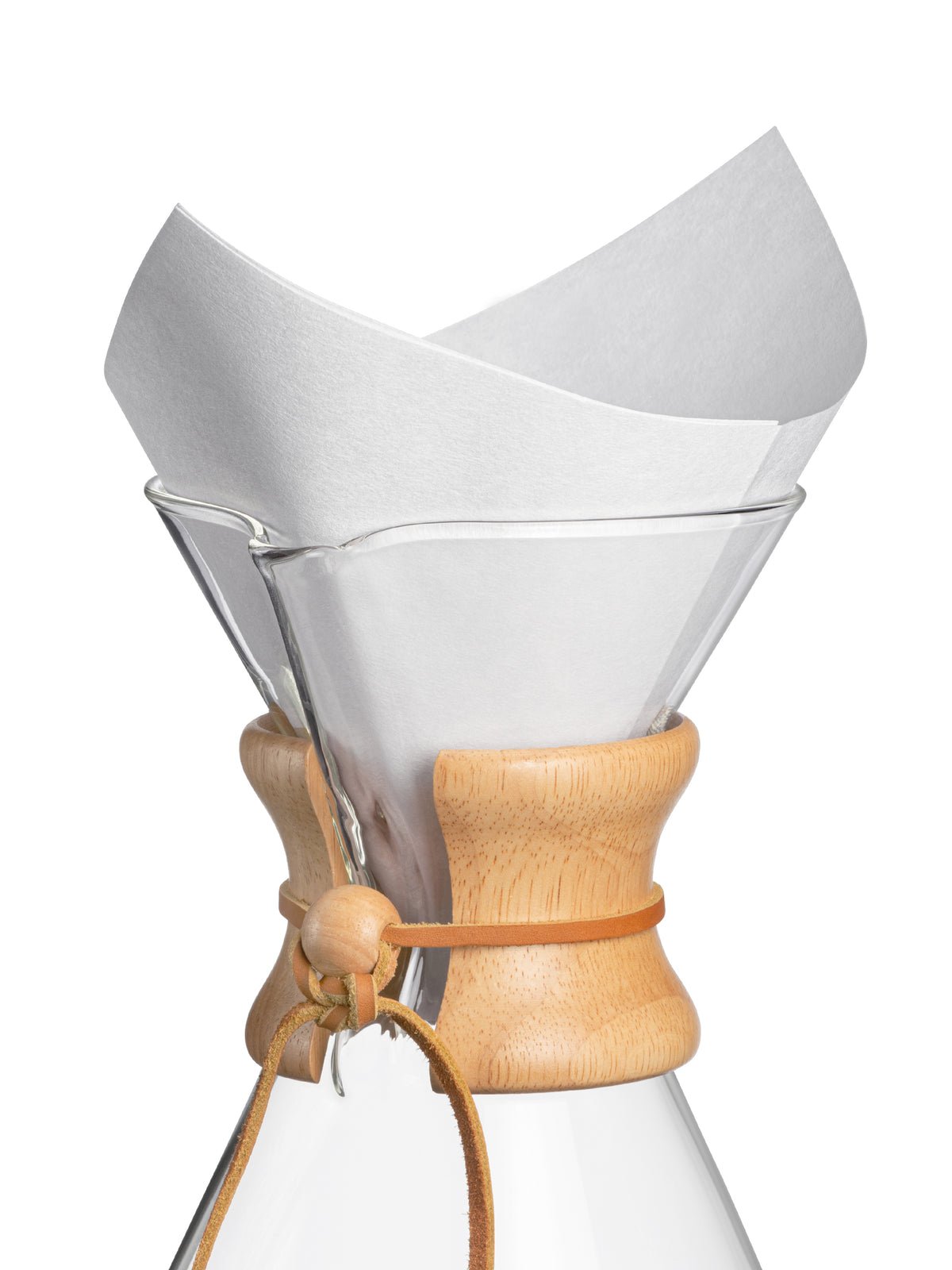
Chemex cuts its own paper and the brewer is designed around that thickness; a supermarket cone filter brews a thinner, faster cup
Pre-folded squares drop in without the origami step, which matters at seven in the morning
A box of 100 covers a household brewing 30 oz at weekends for months
Reasons to avoid
It is the one consumable here with no substitute, which is a running cost
Every Chemex owner runs out of these and nobody buys them as a treat. A box with the brewer, or handed to someone who already owns one, is the least glamorous useful thing here.
Not the right fit if they own a V60 rather than a Chemex — the cone takes the 02 filters above.
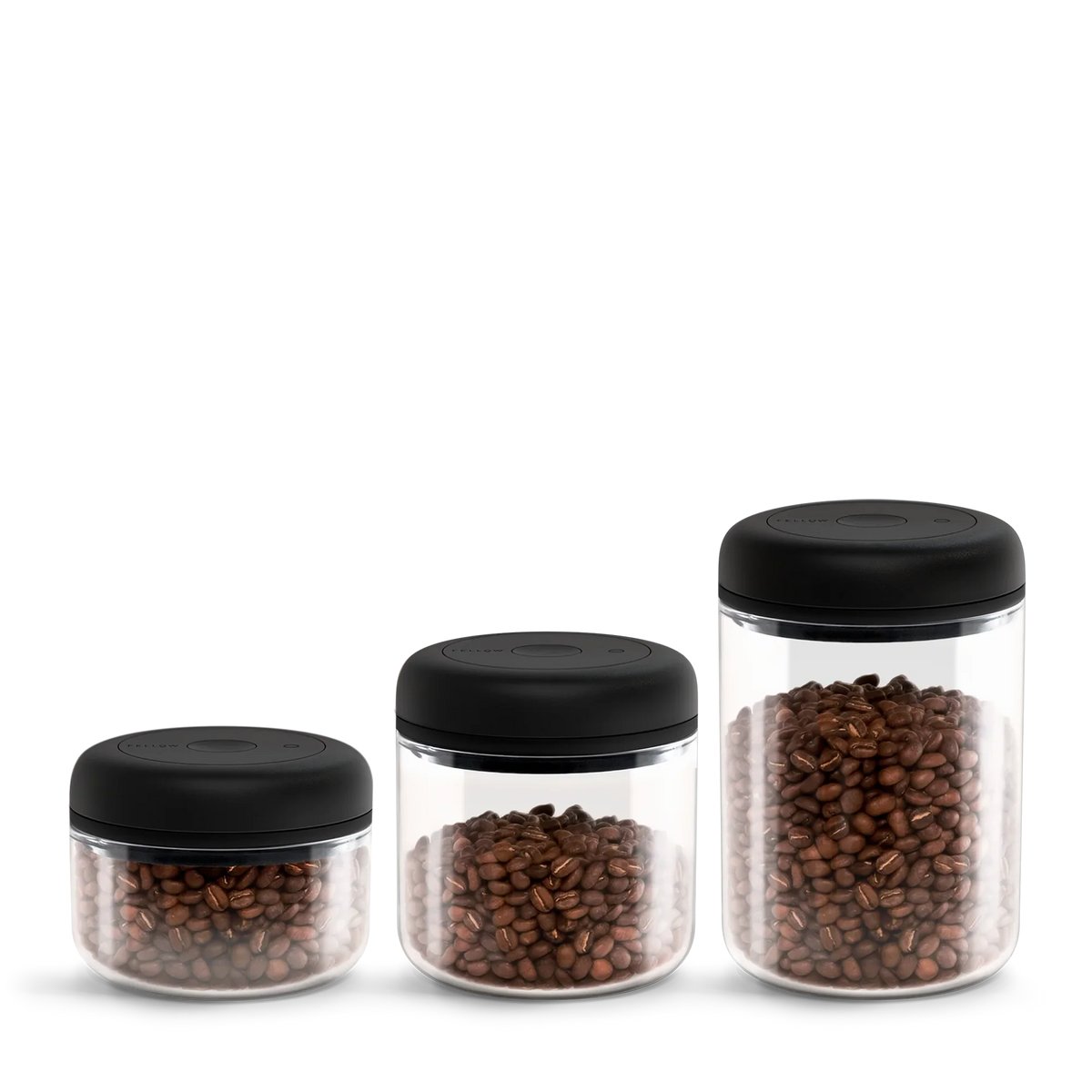
The vacuum pump is in the lid, so the air comes out of the jar rather than being shut in with the beans
1.2 L takes a standard bag of whole beans, the unit coffee is actually bought in
Fellow publishes 0.4, 0.7 and 1.2 L sizes, so the jar can match how much they buy at a time
Reasons to avoid
Fellow says to twist the lid every four or five days to hold the seal
For the person who owns a grinder and a brewer and has beans going stale in the bag. Oxygen is what flattens coffee in the second week, and a lid that pumps it out beats another brewer.
Not the right fit if they buy pre-ground — that coffee went flat before it got home.
Nothing here has been brewed with, opened or lived with. It is a specification comparison built from each manufacturer's own product page and published spec sheet.
Every candidate had to have a maker that publishes a specification sheet on its own site. That removed several gift-guide regulars whose makers publish photographs and no numbers.
Each pick was checked for what it still requires before it can make coffee, and that requirement is printed in the spec block rather than buried in a paragraph.
A dash in the table means the maker publishes no figure for that row. Nothing is filled in from a retail description.
The verdict
Best overall - the Baratza Encore, because 40 mm conical burrs and 40 stepped settings improve every brewer already in the house and Baratza still sells the wear parts a decade later. Best value - the Hario V60 02 dripper, which costs less than good beans and gets used daily.
Best splurge - the Technivorm Moccamaster KBGV Select, for a household that drinks drip coffee every morning and does not need a timer. Best for espresso - the Breville Bambino, on the condition that you budget for a grinder in the same gift. Best cheap add-on - a box of the right filters for whatever brewer they already own.
What is the single best coffee gift under a small budget?
The Hario V60 02 ceramic dripper. It costs less than a bag of specialty beans, brews 1 to 4 cups, needs no power and works with any kettle. Add the 02 filters so the gift is complete on the day.
Should I buy a coffee machine or a grinder?
The grinder, almost always. A 40 mm conical burr set removes the biggest source of bad home coffee and improves whatever machine is already in the kitchen. A new machine fed stale pre-ground tastes like the old one.
Does an espresso machine need a separate grinder?
Yes, and it is not optional. Espresso needs a grind far finer and more adjustable than drip, which is why the Bambino lists a grinder, a tamper and a jug as things it still needs.
Which of these need something else bought before they work?
Five of the ten. The Bambino needs a grinder, a tamper and a jug; the Stagg EKG Pro a dripper and filters; the V60 its 02 filters; the Chemex its own bonded filters; the Moccamaster
Also considered
Single-serve pod machines — They remove the two decisions that make coffee better, grind and dose, and replace them with a subscription. Convenient as a gift, a step backwards as a coffee upgrade.
Blade grinders — A blade grinder chops rather than grinds, producing dust and boulders in one batch that over- and under-extract in the same cup. It is the problem the Encore exists to solve.
Espresso machines with a built-in grinder under the Bambino's price — At that budget the built-in grinder compromises both halves and neither part can be replaced when it wears. Two separate pieces at the same total price outlast them.